
DELIVERING
Products That Require Temperature-Controlled Shipping
- Home
- Blogs
- Temperature-Controlled Shipping
- Products That Require Temperature-Controlled Shipping
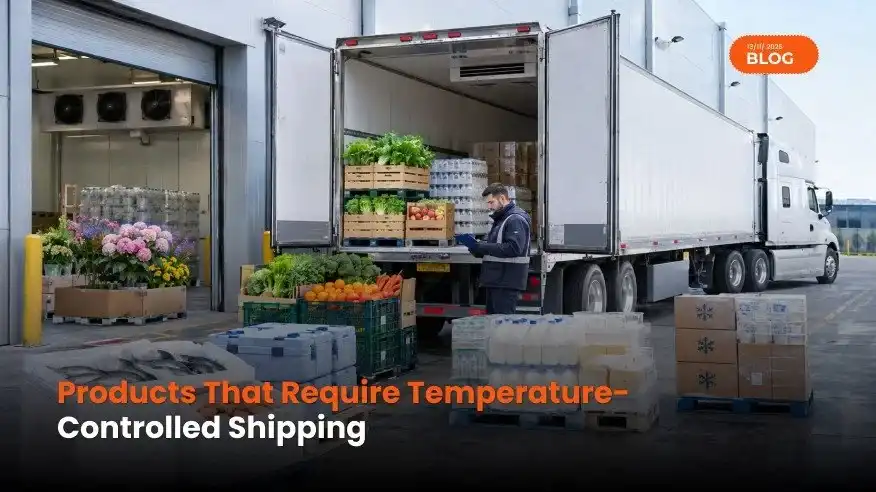

Not every product can handle the same transportation conditions. While many goods can be shipped in standard trucks or containers, certain products need specific temperature conditions to maintain their quality, safety, and usability during transit. For these shipments, temperature-controlled shipping plays an important role.
From fresh fruits and vegetables to frozen food, dairy products, pharmaceuticals, and flowers, many industries depend on refrigerated transportation to move sensitive goods between suppliers, warehouses, distribution centers, and customers.
Temperature changes during transportation can affect product conditions. Excessive heat may cause some goods to deteriorate, while freezing temperatures can damage products that need chilled rather than frozen storage. This makes selecting suitable transportation equipment an important part of shipment planning.
In this guide, we explain what products require temperature-controlled shipping, why certain goods need special handling, and how businesses can choose the right transportation solution.
What Is Temperature-Controlled Shipping?
Temperature-controlled shipping is the transportation of products under specific temperature conditions using specialized equipment and handling procedures.
Depending on the cargo, transportation may require chilled, frozen, or controlled ambient conditions. Refrigerated trucks, reefer trailers, and temperature-controlled shipping containers are commonly used to maintain suitable conditions during transit.
Unlike standard freight transportation, temperature-controlled freight requires attention to the product's temperature requirements throughout the shipping process.
The process generally involves:
-
Identifying the product's required temperature range.
-
Selecting suitable refrigerated transportation equipment.
-
Preparing the trailer or container before loading.
-
Loading cargo according to airflow and handling requirements.
-
Maintaining appropriate conditions during transit.
-
Coordinating delivery and unloading.
The correct approach depends on the type of product being transported. Not all temperature-sensitive products need refrigeration at the same temperature.
What Products Require Temperature-Controlled Shipping?
Several industries transport products that need controlled environmental conditions. Here are some of the most common product categories.
1. Fresh Fruits and Vegetables
Fresh produce is one of the most common categories of temperature-sensitive cargo. Fruits and vegetables continue to undergo natural biological processes after harvesting. Temperature, humidity, ventilation, and handling can influence how quickly they ripen or deteriorate.
Refrigerated transportation helps maintain suitable conditions and can slow down product deterioration during distribution.
Common examples include:
-
Apples and pears
-
Berries and grapes
-
Lettuce and leafy vegetables
-
Broccoli and cauliflower
-
Carrots and other root vegetables
-
Citrus fruits
-
Fresh herbs
Different types of produce have different storage requirements. Some products are sensitive to very low temperatures, while others need cooler conditions to maintain freshness.
Businesses shipping fresh produce should consider product-specific temperature recommendations, ventilation requirements, packaging, and transit time before arranging transportation.
2. Meat and Poultry Products
Fresh and frozen meat products require careful temperature management during transportation.
Products such as beef, pork, chicken, and turkey can deteriorate when exposed to unsuitable temperatures. Maintaining the appropriate conditions is important for preserving product quality and supporting food safety requirements.
Meat and poultry shipments may include:
-
Fresh beef and pork
-
Chicken and turkey
-
Frozen meat products
-
Packaged meat
-
Processed poultry products
Fresh and frozen meat should not automatically be assigned the same temperature setting. The required conditions depend on the product, its processing, packaging, and applicable food safety requirements.
Businesses should also coordinate loading, transportation, and unloading procedures to avoid unnecessary exposure to outside conditions.
3. Dairy Products
Dairy products often require refrigerated transportation because they can be sensitive to temperature changes.
Common dairy shipments include:
-
Milk
-
Cheese
-
Yogurt
-
Butter
-
Cream
-
Other refrigerated dairy products
Maintaining suitable conditions during transportation helps preserve product quality and shelf life.
Dairy businesses should confirm the specific handling requirements for each product. For example, different dairy products may have different storage temperatures and packaging requirements.
4. Frozen Food Products
Frozen food must remain within the required frozen temperature range throughout transportation.
A disruption in temperature conditions can affect product quality and may cause partial thawing or other problems.
Common frozen products include:
-
Frozen vegetables
-
Frozen seafood
-
Ice cream
-
Frozen meat
-
Ready-to-cook meals
-
Frozen bakery products
-
Packaged frozen snacks
Frozen food transportation generally requires refrigerated trailers or containers capable of maintaining the required low temperatures.
Proper loading practices are also important. Cargo should be arranged according to equipment guidelines so that refrigerated air can circulate effectively.
5. Seafood and Fish
Seafood is highly sensitive to unsuitable storage and transportation conditions. Fresh fish, shellfish, and other seafood products need carefully controlled handling from the point of origin to the final destination.
Common seafood shipments include:
-
Fresh fish
-
Shrimp and prawns
-
Crab and lobster
-
Oysters and mussels
-
Frozen seafood
-
Packaged fish products
Fresh and frozen seafood have different transportation requirements. Businesses should confirm whether the shipment requires chilled conditions, freezing, or specialized packaging.
Proper temperature management helps preserve product quality during transportation and distribution.
6. Pharmaceutical Products and Medicines
Certain pharmaceutical products require specific temperature conditions to maintain their quality and effectiveness.
These products may include:
-
Temperature-sensitive medicines
-
Certain vaccines
-
Biologics
-
Some injectable medicines
-
Certain diagnostic products
-
Selected medical supplies
Pharmaceutical transportation can involve more demanding requirements than ordinary refrigerated freight.
Depending on the product, businesses may need qualified packaging, calibrated monitoring devices, documented temperature records, validated transportation processes, and procedures for handling temperature deviations.
Some pharmaceutical products require a controlled room-temperature environment rather than conventional refrigeration. Therefore, shippers should follow the manufacturer's storage instructions and applicable regulatory requirements.
7. Flowers and Plants
Fresh flowers and certain plants can be sensitive to heat, cold, humidity, and transportation delays.
Temperature-controlled shipping can help maintain their appearance and condition while they move from growers to wholesalers, retailers, event suppliers, and other destinations.
Common examples include:
-
Roses
-
Tulips
-
Lilies
-
Orchids
-
Carnations
-
Fresh decorative plants
-
Selected nursery products
Not every flower or plant requires the same conditions. Some varieties are sensitive to chilling, so using an unsuitable temperature can cause damage.
Proper packaging, ventilation, moisture management, and careful handling are also important during transportation.
8. Chocolate and Confectionery Products
Chocolate and certain confectionery products can be affected by high temperatures and changing environmental conditions.
Exposure to excessive heat may cause chocolate to soften or melt. Temperature fluctuations can also affect its appearance and texture.
Temperature-managed transportation may be useful for:
-
Premium chocolates
-
Chocolate gift boxes
-
Filled chocolate products
-
Certain confectionery items
-
Heat-sensitive dessert products
The exact transportation requirements depend on the product formulation, packaging, season, and route conditions.
9. Bakery and Dessert Products
Some bakery products and desserts require temperature-controlled transportation, especially when they contain ingredients that need refrigeration.
Examples include:
-
Cream-filled cakes
-
Cheesecakes
-
Refrigerated pastries
-
Fresh desserts
-
Certain prepared bakery products
However, not every bakery item needs refrigerated shipping. Dry bread, packaged biscuits, and many shelf-stable bakery products can generally be transported using standard freight equipment.
Businesses should identify which ingredients and finished products require temperature control before selecting transportation.
10. Chemicals and Specialty Industrial Products
Some industrial chemicals and specialty materials need controlled temperature conditions during transportation.
Temperature changes may affect their stability, viscosity, performance, or other product characteristics.
Examples can include certain:
-
Temperature-sensitive chemical formulations
-
Specialty coatings
-
Industrial materials
-
Laboratory products
-
Chemical ingredients used in manufacturing
Not all chemicals can be transported in standard refrigerated trailers. Some require specialized tanks, packaging, ventilation, segregation, or regulatory controls.
Businesses should review product safety data sheets, transportation regulations, and manufacturer instructions before arranging these shipments.
Why Do Some Products Need Temperature-Controlled Shipping?
Products require temperature-controlled shipping for different reasons. Understanding these reasons helps businesses determine whether refrigerated transportation is necessary.
1. To Maintain Product Quality
Some products can lose freshness, texture, appearance, or other important characteristics when exposed to unsuitable temperatures.
Maintaining the recommended conditions helps protect product quality during transportation.
2. To Reduce Spoilage Risks
Perishable products can deteriorate when stored or transported under unsuitable conditions. Refrigerated equipment helps maintain the required environment and can reduce the risk of spoilage.
However, temperature control alone does not guarantee product safety. Initial product condition, hygiene, packaging, loading, and handling also matter.
3. To Protect Product Effectiveness
Certain pharmaceutical and medical products may lose their intended quality if exposed to temperatures outside their specified limits.
Temperature-controlled transportation, supported by appropriate monitoring and handling procedures, helps protect these products.
4. To Support Longer-Distance Distribution
Businesses often need to move temperature-sensitive goods across different cities, states, and countries.
Suitable refrigerated transportation allows many products to travel longer distances while maintaining their required shipping conditions.
5. To Meet Product and Industry Requirements
Food, pharmaceutical, and other regulated industries may have specific storage, handling, and transportation requirements.
Using appropriate equipment and following the correct procedures helps businesses manage these responsibilities.
Types of Temperature-Controlled Transportation
Different transportation options are available depending on the product, shipment size, distance, and route.
Refrigerated Trucks
Refrigerated trucks are used for moving temperature-sensitive cargo over local, regional, and longer-distance routes.
They are commonly used for food distribution, fresh produce, dairy shipments, and other products requiring controlled temperatures.
Reefer Trailers
Reefer trailers are refrigerated truck trailers equipped with insulation and a refrigeration unit.
They are commonly used for larger shipments and full truckload transportation.
Refrigerated Shipping Containers
Refrigerated containers, also known as reefer containers, are used for temperature-sensitive cargo moving through ocean freight networks.
They have integrated refrigeration systems and require suitable power arrangements during transportation and storage.
Temperature-Controlled Warehousing
Some products also need controlled storage conditions before or after transportation.
Temperature-controlled warehouses can help maintain suitable conditions while products are stored, sorted, or prepared for distribution.
What Factors Should Businesses Consider Before Shipping Temperature-Sensitive Products?
Selecting the right transportation method requires more than identifying whether a product needs refrigeration.
Businesses should evaluate several important factors.
Product-Specific Temperature Requirements
Confirm the required temperature range using manufacturer instructions, product specifications, and applicable industry guidelines.
Avoid using the same temperature setting for different product categories without verification.
Shipment Distance and Transit Time
Longer routes and extended transit times may require additional planning. Businesses should consider expected travel time, possible delays, and the equipment's operating requirements.
Packaging and Cargo Preparation
Suitable packaging helps protect products during transportation. Some goods may also need insulated packaging, protective materials, or special handling procedures.
Airflow and Loading Arrangements
In refrigerated trailers, cargo placement can affect air circulation. Following loading guidelines helps reduce the risk of uneven temperature distribution.
Temperature Monitoring
Depending on the shipment, temperature sensors, data loggers, or remote monitoring systems may be useful or required.
For sensitive pharmaceutical products, monitoring and documentation requirements may be particularly important.
Delivery Coordination
Loading and unloading should be coordinated to limit unnecessary exposure to external conditions.
Businesses should communicate delivery appointments and handling instructions to everyone involved in the shipment.
Common Mistakes to Avoid in Temperature-Controlled Shipping
Even when suitable refrigerated equipment is used, poor planning can create transportation problems.
Using the Wrong Temperature Setting: Different products have different requirements. Always confirm the correct temperature before shipping.
Ignoring Pre-Cooling Requirements: Some shipments require refrigerated equipment to be prepared before cargo is loaded.
Blocking Airflow: Poor cargo placement can interfere with refrigerated air circulation.
Using Unsuitable Packaging: Packaging should match the product's storage and transportation needs.
Overlooking Transit Delays: Delays can increase the time products remain in transportation. Contingency planning is important for sensitive cargo.
Choosing Equipment Based Only on Price: The lowest freight quote may not provide the equipment or handling conditions required for the shipment.
How to Choose the Right Temperature-Controlled Shipping Provider
Choosing a suitable logistics provider is an important part of transporting sensitive products.
Before booking a shipment, consider the following:
-
Product experience: Check whether the provider understands your product category and its transportation requirements.
-
Equipment suitability: Confirm that the available trucks, trailers, or containers meet your temperature requirements.
-
Monitoring arrangements: Ask what temperature monitoring and recording options are available.
-
Communication: Understand how shipment updates and potential issues will be communicated.
-
Route planning: Discuss pickup locations, destinations, transit expectations, and delivery schedules.
-
Handling procedures: Confirm that loading and unloading requirements are understood.
Provide accurate information about cargo type, weight, dimensions, temperature range, packaging, pickup location, and destination when requesting a transportation quote.
How Empath Logistics Supports Temperature-Sensitive Freight Needs
Businesses transporting perishable and temperature-sensitive products need to consider equipment suitability, cargo requirements, transportation routes, and delivery coordination.
Empath Logistics offers logistics solutions for businesses arranging freight transportation. Companies planning refrigerated shipments should share their product type, required temperature range, shipment size, pickup location, and destination to help identify suitable transportation arrangements.
Whether you are moving fresh food, frozen products, agricultural goods, or other temperature-sensitive cargo, understanding your shipping requirements is an important first step.
Explore Reefer Freight Services to learn more about temperature-controlled freight transportation options from Empath Logistics.
Frequently Asked Questions About Temperature-Controlled Shipping
1. What products require temperature-controlled shipping?
Products that commonly require temperature-controlled shipping include fresh fruits and vegetables, meat, poultry, dairy products, frozen food, seafood, certain medicines, vaccines, flowers, and selected specialty chemicals.
2. What is temperature-controlled shipping?
Temperature-controlled shipping is the transportation of products under specific temperature conditions using refrigerated vehicles, trailers, containers, or other suitable equipment.
3. What is the difference between refrigerated and frozen shipping?
Refrigerated shipping includes transportation under controlled chilled or frozen conditions. Frozen shipping specifically requires maintaining the low temperatures needed to keep products frozen.
4. Do all food products require refrigerated transportation?
No. Many packaged and shelf-stable foods can be transported without refrigeration. Fresh meat, dairy products, seafood, and frozen foods generally need specific temperature conditions.
5. Do pharmaceutical products need temperature-controlled transportation?
Some pharmaceutical products require controlled temperatures to maintain their quality. Requirements vary by product, so shippers should follow the manufacturer's storage instructions and applicable handling standards.
6. Can flowers be transported in refrigerated trucks?
Yes. Many flowers are transported in temperature-controlled vehicles to help maintain their condition. However, the correct temperature depends on the flower variety because some flowers are sensitive to chilling.
7. What equipment is used for temperature-controlled freight?
Common equipment includes refrigerated trucks, reefer trailers, refrigerated shipping containers, temperature monitoring devices, and suitable temperature-controlled storage facilities.
8. How is temperature monitored during transportation?
Temperature may be monitored through sensors, digital displays, data loggers, or remote monitoring systems. The appropriate method depends on the product's requirements and shipment arrangements.
9. Is temperature-controlled shipping more expensive?
It can cost more than standard freight because it involves specialized equipment, refrigeration operations, and additional handling requirements. Pricing depends on distance, cargo size, temperature settings, route, and equipment availability.
10. How can I arrange temperature-controlled freight transportation?
Identify the product type, required temperature range, shipment weight and dimensions, pickup location, destination, and delivery schedule. Share these details with a logistics provider to discuss suitable transportation options.
Share:






‘0’ Comments
Leave A Comments