
Jul 08, 2026

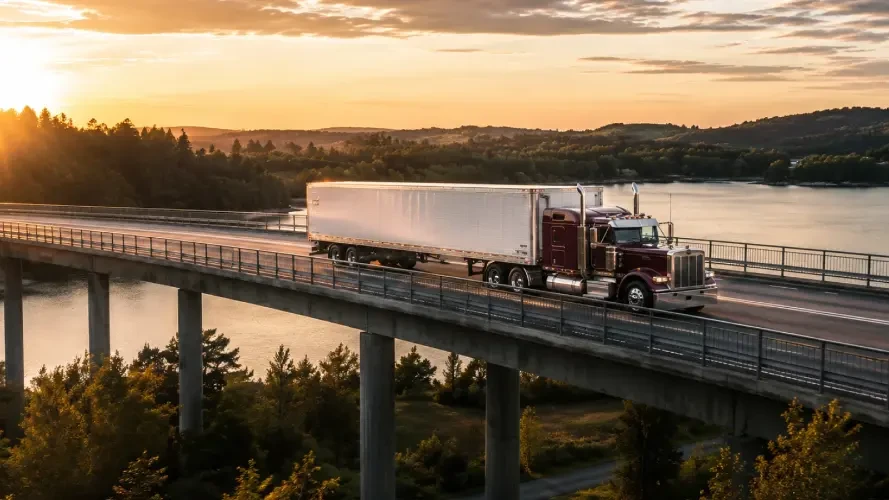
The logistics industry is entering a new era in 2026. As global trade continues to evolve, businesses are facing increasing pressure to deliver goods faster, reduce transportation costs, improve visibility, and build resilient supply chains. Truckload (TL) and Less-Than-Truckload (LTL) shipping remain the backbone of freight transportation, but the way they operate is changing rapidly.
Driven by advancements in artificial intelligence (AI), automation, sustainability initiatives, digital freight platforms, and customer expectations, the trucking industry is becoming smarter, faster, and more connected than ever before.
This article explores the key Truckload and LTL freight trends expected to reshape global logistics in 2026 and beyond.
Before exploring the trends, it's important to understand the difference between Truckload (TL) and Less-Than-Truckload (LTL) shipping.
Truckload shipping is used when a shipment occupies most or all of a trailer. The truck moves directly from the pickup location to the destination with minimal stops, making it ideal for large shipments and time-sensitive freight.
Full trailer shipments
High-value cargo
Long-distance transportation
Expedited deliveries
Dedicated freight
LTL shipping combines freight from multiple businesses into one truck. Each shipper pays only for the trailer space they use, making it an economical solution for smaller shipments.
Small to medium shipments
Cost-conscious businesses
Regular inventory replenishment
E-commerce distribution
Regional deliveries
Global supply chains are becoming increasingly complex. Businesses are no longer focused solely on transportation—they now prioritize speed, flexibility, sustainability, and data-driven decision-making.
Several factors are driving this transformation:
Rising consumer expectations
E-commerce growth
Labor shortages
Fuel price volatility
Sustainability regulations
Digital transformation
Geopolitical uncertainty
Increasing demand for supply chain visibility
These forces are reshaping both TL and LTL operations worldwide.
Artificial intelligence is transforming logistics by helping carriers and shippers make smarter decisions.
AI is being used for:
Route optimization
Freight forecasting
Capacity planning
Predictive maintenance
Dynamic pricing
Delivery scheduling
Demand forecasting
These technologies reduce empty miles, improve efficiency, and lower operational costs.
Digital freight platforms are simplifying the connection between shippers and carriers.
Benefits include:
Instant freight matching
Faster booking
Real-time pricing
Reduced paperwork
Improved carrier utilization
Better shipment visibility
Digital platforms are becoming a standard part of modern freight operations.
Customers expect to know exactly where their freight is at all times.
Companies are investing in:
GPS tracking
IoT sensors
Electronic logging devices (ELDs)
Cloud-based transportation management systems
Automated shipment notifications
Real-time visibility improves customer satisfaction and reduces supply chain disruptions.
Environmental responsibility is becoming a competitive advantage.
Major sustainability initiatives include:
Electric trucks
Alternative fuels
Route optimization
Carbon emissions tracking
Eco-friendly packaging
Fuel-efficient fleets
Companies investing in greener logistics are reducing costs while meeting regulatory and customer expectations.
Rather than relying on a few large distribution centers, businesses are expanding regional warehouses to reduce delivery times and transportation costs.
Benefits include:
Faster deliveries
Lower shipping expenses
Reduced transit risks
Improved inventory management
This trend supports both Truckload and LTL shipping strategies.
As businesses seek flexibility and cost savings, LTL shipping is becoming increasingly popular.
LTL offers:
Lower transportation costs
Flexible shipping options
Better inventory control
Reduced warehouse requirements
More frequent deliveries
Small and medium-sized businesses benefit significantly from LTL services.
Warehouses are becoming more automated through the use of:
Robotics
Automated storage systems
AI inventory management
Autonomous forklifts
Barcode scanning
Smart picking systems
These innovations improve order accuracy and reduce fulfillment times.
The trucking industry continues to face a shortage of qualified drivers.
Companies are responding by:
Improving driver benefits
Investing in driver retention
Offering flexible schedules
Implementing driver assistance technologies
Increasing training programs
Technology will help address this challenge, but workforce development remains essential.
Businesses are increasingly relying on analytics to optimize freight operations.
Key metrics include:
Freight costs
Delivery performance
Fuel efficiency
Carrier performance
Damage rates
Transit times
Customer satisfaction
Data-driven strategies help organizations make informed operational decisions.
Cargo theft and cyber threats continue to grow, making security a top priority.
Companies are investing in:
GPS tracking
Geofencing
Electronic seals
Driver authentication
Cybersecurity systems
AI-based risk monitoring
Protecting freight is essential for maintaining customer trust and reducing financial losses.
|
Feature |
Truckload (TL) |
Less-Than-Truckload (LTL) |
|
Shipment Size |
Large |
Small to Medium |
|
Cost |
Higher for small loads |
Cost-effective for partial loads |
|
Transit Time |
Faster |
Longer due to multiple stops |
|
Handling |
Minimal |
More frequent handling |
|
Risk of Damage |
Lower |
Slightly higher |
|
Best For |
Full trailer shipments |
Smaller, recurring shipments |
The 2026 freight transformation will impact a wide range of industries, including:
Retail & E-commerce
Manufacturing
Automotive
Healthcare & Pharmaceuticals
Food & Beverage
Agriculture
Construction
Consumer Goods
Technology
Industrial Equipment
Each sector will benefit from greater efficiency, enhanced visibility, and improved transportation flexibility.
To stay competitive in 2026, businesses should:
Invest in digital logistics platforms
Leverage AI-powered transportation tools
Strengthen carrier relationships
Diversify shipping strategies
Improve warehouse automation
Monitor freight data and KPIs
Adopt sustainable transportation practices
Enhance supply chain resilience
Proactive planning will help businesses navigate market volatility and capitalize on emerging opportunities.
Truckload (TL) shipping uses an entire trailer for a single shipment, while Less-Than-Truckload (LTL) combines shipments from multiple businesses in one truck.
LTL shipping offers cost savings, flexibility, and efficient transportation for smaller shipments, making it ideal for businesses with frequent but lower-volume freight.
AI improves route planning, demand forecasting, predictive maintenance, pricing, shipment tracking, and overall operational efficiency.
Sustainability initiatives such as electric trucks, fuel optimization, and carbon emissions tracking help companies reduce environmental impact while lowering operational costs.
Businesses should embrace digital technologies, invest in automation, monitor logistics data, diversify transportation strategies, and prioritize supply chain resilience.
The future of freight is being shaped by innovation, automation, and resilience. In 2026, Truckload (TL) and Less-Than-Truckload (LTL) shipping will continue to evolve as businesses adapt to changing customer expectations, technological advancements, and global economic shifts.
Organizations that embrace AI-driven logistics, digital freight platforms, real-time visibility, sustainable transportation, and data-driven decision-making will be better positioned to reduce costs, improve operational efficiency, and build stronger supply chains.
Whether you're a shipper, carrier, freight broker, or logistics provider, understanding these emerging trends is essential for staying competitive in the rapidly evolving world of global logistics.
Share:



‘0’ Comments
Leave A Comments