
Apr 24, 2025

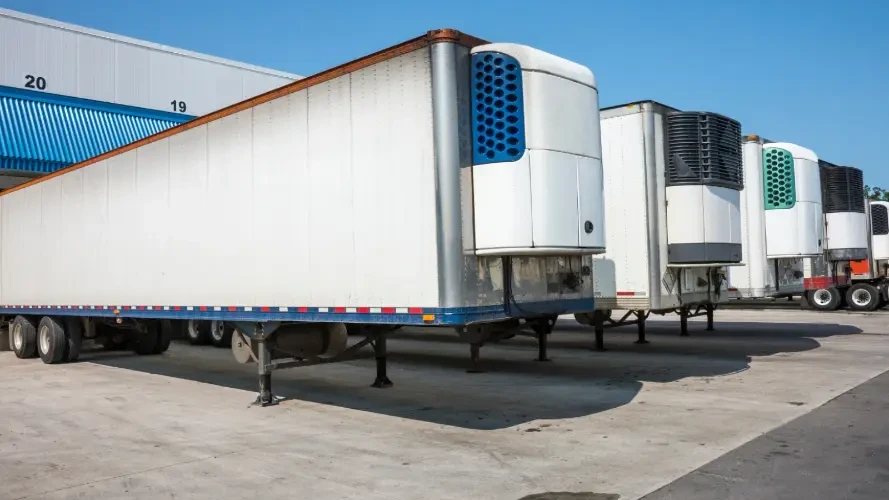
A reefer truck, also known as a refrigerated truck, is a commercial vehicle equipped with a temperature-controlled trailer that transports products requiring a specific temperature throughout the journey. Unlike standard dry vans, reefer trucks use an independent refrigeration unit to keep cargo fresh, frozen, or chilled, regardless of outside weather conditions.
Refrigerated trucking is an essential part of modern logistics, allowing businesses to safely deliver temperature-sensitive products across cities, states, and countries while maintaining product quality and complying with food safety regulations.
A reefer truck consists of two primary components:
Truck Tractor – Pulls the trailer.
Refrigerated Trailer (Reefer Trailer) – Maintains a controlled temperature using a diesel-powered or electric refrigeration unit.
The refrigeration system can maintain temperatures ranging from approximately -20°F (-29°C) for frozen goods to 70°F (21°C) for products that require mild climate control.
Modern reefer trailers include:
Digital temperature monitoring
GPS tracking
Remote temperature alerts
Air circulation systems
Fuel-efficient refrigeration units
Data logging for compliance
These technologies help ensure cargo remains at the correct temperature from pickup to delivery.
Reefer trucks transport a wide variety of temperature-sensitive freight.
Fresh fruits
Vegetables
Dairy products
Frozen foods
Seafood
Meat and poultry
Bakery products
Ice cream
Beverages
Many medicines require strict temperature control, including:
Vaccines
Insulin
Blood plasma
Laboratory samples
Medical supplies
Flowers and plants require stable temperatures to remain fresh during transportation.
Certain industrial chemicals become unstable if exposed to excessive heat.
Premium beauty products often require climate-controlled transportation to preserve quality.
Different products require different temperature ranges.
|
Cargo Type |
Recommended Temperature |
|
Frozen Foods |
-20°F to 0°F |
|
Ice Cream |
-20°F |
|
Meat |
28°F to 32°F |
|
Dairy Products |
34°F to 38°F |
|
Fresh Produce |
35°F to 45°F |
|
Pharmaceuticals |
Product-specific |
|
Flowers |
34°F to 40°F |
Maintaining these temperatures helps prevent spoilage, contamination, and product loss.
Maintains one consistent temperature throughout the trailer.
Ideal for transporting:
Frozen foods
Dairy
Meat
Pharmaceuticals
Contains multiple compartments with different temperature settings.
Perfect for companies delivering:
Frozen products
Chilled foods
Dry goods
in one trip.
Uses electric refrigeration systems that reduce emissions and improve energy efficiency.
Many industries rely on reefer transportation every day.
Restaurants, grocery stores, and food manufacturers depend on refrigerated shipping.
Medical products often have strict storage requirements.
Fresh produce must reach markets before losing quality.
Fresh flowers require continuous cooling.
Sensitive chemicals often require temperature-controlled logistics.
Large retail chains transport frozen and chilled inventory daily.
Maintains freshness from origin to destination.
Proper temperature control minimizes spoilage.
Helps companies meet FDA and food safety regulations.
Products remain safe even during long-haul transportation.
Customers receive products in excellent condition.
Although reefer transportation offers many advantages, it also comes with challenges.
Refrigeration equipment consumes additional fuel.
Cooling units require regular servicing.
Drivers must constantly monitor temperatures.
Refrigeration units increase overall operating expenses.
A refrigeration system failure can result in costly cargo losses.
Proper maintenance extends equipment life and protects cargo.
Regular maintenance includes:
Inspect refrigeration units
Check fuel levels
Clean evaporator coils
Test temperature sensors
Inspect door seals
Monitor tire pressure
Service engines regularly
Keep maintenance records
Preventive maintenance reduces unexpected breakdowns and expensive repairs.
Because refrigerated cargo is often high-value, specialized insurance coverage is essential.
Common insurance policies include:
Commercial Truck Insurance
Physical Damage Coverage
Motor Truck Cargo Insurance
General Liability Insurance
Trailer Interchange Coverage
Reefer Breakdown Coverage
Non-Trucking Liability
Occupational Accident Insurance
Without adequate insurance, businesses could face significant financial losses if cargo is damaged due to equipment failure or accidents.
Costs vary depending on age, manufacturer, and trailer specifications.
Typical price ranges include:
New Reefer Trailer: $70,000–$120,000+
Used Reefer Trailer: $25,000–$70,000
Refrigeration Unit Maintenance: Varies by usage and service schedule
Operating Costs: Higher than dry van trucking because of fuel and maintenance
While reefer trucks require a larger investment, they also provide access to higher-paying freight opportunities.
To maximize efficiency:
Pre-cool the trailer before loading.
Never overload the trailer.
Maintain proper airflow around cargo.
Monitor temperatures continuously.
Perform preventive maintenance.
Train drivers on reefer operations.
Keep accurate temperature records.
Schedule regular inspections.
Following these best practices helps protect cargo and improve delivery performance.
Technology continues to transform refrigerated transportation.
Emerging trends include:
AI-powered temperature monitoring
IoT cargo sensors
GPS-based real-time tracking
Electric refrigeration systems
Predictive maintenance
Sustainable cooling technologies
Automated compliance reporting
These innovations improve efficiency, reduce costs, and enhance cargo safety.
A reefer truck has a refrigeration unit that controls trailer temperature, while a dry van transports goods that do not require temperature control.
Fresh produce, frozen foods, dairy products, meat, pharmaceuticals, flowers, beverages, cosmetics, and certain chemicals.
Yes. Depending on the settings, reefer trailers can maintain temperatures as low as -20°F (-29°C).
Reefer insurance helps cover cargo losses caused by refrigeration unit failure, accidents, theft, or damage.
In many cases, yes. Because refrigerated freight requires specialized equipment and handling, reefer loads often pay higher rates than standard dry van freight.
Reefer trucks play a critical role in today's supply chain by safely transporting temperature-sensitive products across long distances. From fresh food and pharmaceuticals to flowers and frozen goods, refrigerated trucking ensures products arrive in excellent condition while meeting strict safety standards.
Although operating a reefer truck involves higher costs and maintenance, the increased demand for cold-chain logistics and access to premium freight make it a valuable investment for many trucking businesses. By understanding how reefer trucks work, maintaining equipment properly, and carrying the right insurance coverage, carriers can improve reliability, reduce risk, and grow their business in the competitive refrigerated transportation industry.
Share:




‘0’ Comments
Leave A Comments