

Oct 28, 2026


Transporting perishable goods requires more than simply moving products from one place to another. Many items need specific temperature conditions to maintain their quality, safety, and usability throughout the journey. This is where refrigerated transport services play an important role. They help businesses move temperature-sensitive products while reducing the risk of spoilage, damage, and unnecessary losses.
From fresh fruits and vegetables to frozen foods, dairy products, pharmaceuticals, and other sensitive cargo, refrigerated transportation supports businesses that depend on reliable delivery conditions. Understanding how these services work can help you choose the right shipping solution for your products and supply chain.
In this guide, we will explain what refrigerated transport services are, how they operate, which products they carry, and what to consider when selecting a transportation provider.
Refrigerated transport services are specialized shipping solutions that use temperature-controlled vehicles or equipment to transport goods that must remain within a specific temperature range. These services are commonly used for products that can spoil, lose quality, or become unsuitable for use when exposed to unsuitable temperatures.
Unlike standard freight transportation, refrigerated shipping uses insulated trailers, trucks, or containers equipped with refrigeration systems. These systems help maintain the required temperature during transit, whether the cargo needs to stay chilled, frozen, or within another controlled temperature range.
For example, fresh produce may require cool conditions to preserve freshness, while frozen food needs consistently low temperatures. Certain pharmaceutical products may also have strict storage and transportation requirements.
The appropriate transportation setup depends on the type of cargo, its temperature requirements, the distance involved, and the expected delivery time.
Refrigerated transportation involves several coordinated steps. Each stage helps protect the shipment and maintain suitable conditions from pickup to final delivery.
The process begins by identifying the type of products being shipped and their specific handling needs. Different goods require different temperature ranges, packaging methods, and transportation arrangements.
The logistics team considers factors such as cargo quantity, shipment dimensions, pickup and delivery locations, and transit time. These details help determine the most suitable refrigerated transportation solution.
Once the shipment requirements are clear, the appropriate refrigerated truck, trailer, or container is selected. The refrigeration equipment is checked, and the unit is prepared for the required operating temperature.
Pre-cooling the cargo space when appropriate can help prevent the shipment from being exposed to unsuitable conditions during loading. The vehicle must also have sufficient capacity for the cargo and its expected journey.
Proper loading is an important part of temperature-controlled transportation. Products should be packed securely and arranged to allow the intended circulation of cold air.
Overloading a trailer or blocking airflow can create uneven temperatures inside the cargo space. Loading practices should therefore account for the type of goods, packaging, and equipment requirements.
It is also important to follow the appropriate food safety or product-handling procedures when transporting sensitive items.
During transportation, the refrigeration system helps keep the cargo space within the specified temperature range. Depending on the shipment and equipment, temperature readings may be monitored throughout the journey.
Monitoring can help identify potential problems early, allowing the responsible team to investigate and respond when necessary. Route planning, equipment maintenance, and communication between logistics partners also support dependable deliveries.
At the destination, the cargo should be unloaded promptly and handled according to its specific requirements. Unnecessary delays with the doors open can affect the temperature inside the trailer.
For sensitive products, delivery records and temperature information may also be reviewed to confirm that the shipment was handled appropriately. These steps help businesses maintain product quality and improve their shipping processes.
Many industries depend on refrigerated freight to move products that cannot safely travel under ordinary shipping conditions.
Fresh produce can lose moisture, ripen too quickly, or deteriorate when exposed to unsuitable conditions. Refrigerated transportation helps preserve freshness and quality during distribution from farms, processing facilities, and warehouses to retailers and other destinations.
Different fruits and vegetables have different temperature and humidity requirements, so the shipping conditions must match the products being transported.
Frozen meat, seafood, ready-to-eat meals, and other frozen products require carefully controlled temperatures to maintain their condition. Refrigerated freight services help transport these goods between manufacturers, distribution centers, retailers, and food service businesses.
Maintaining the appropriate temperature throughout transit is particularly important for products that must remain frozen.
Milk, cheese, yogurt, and certain other dairy products can deteriorate if they are exposed to unsuitable temperatures. Refrigerated transportation helps maintain the required conditions during delivery.
Some beverages and specialty food products may also need temperature-controlled shipping to preserve their quality.
Certain medicines, vaccines, and medical products require specific temperature conditions during storage and transportation. Shipping arrangements must follow the product manufacturer's instructions and any applicable handling requirements.
Depending on the product, specialized packaging, temperature monitoring, and documented handling procedures may be necessary.
Fresh flowers and selected specialty products can be sensitive to heat and extended transit times. Suitable refrigerated transportation can help maintain their condition until they reach wholesalers, florists, retailers, or other customers.
The right approach depends on the particular product and its handling requirements.
Refrigerated freight depends on equipment designed to maintain controlled conditions during shipping. The most suitable option depends on the cargo, route, shipment size, and delivery requirements.
Refrigerated trucks: These vehicles are commonly used for local and regional deliveries, including fresh food, dairy products, and other temperature-sensitive goods.
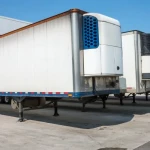
Reefer trailers: Reefer trailers are refrigerated semi-trailers used for larger shipments and longer-distance transportation. They are frequently used for commercial freight that requires temperature control.
Refrigerated containers: These containers, often called reefer containers, are used in shipping operations that may involve ocean freight and inland transportation. They support temperature-controlled movement through suitable transport networks.
Temperature-monitoring equipment: Sensors and monitoring systems can help track cargo-space conditions and identify temperature deviations. The monitoring method depends on the equipment and service arrangement.
Choosing suitable equipment helps businesses protect cargo while meeting their delivery requirements.
Refrigerated shipping offers several practical advantages for businesses that handle perishable or temperature-sensitive products.
Maintaining appropriate temperature conditions helps preserve the freshness, quality, and usability of sensitive goods. This is particularly important for products that may deteriorate quickly in unsuitable environments.
Temperature control can reduce the risk of avoidable spoilage during transit. Proper packaging, loading, equipment maintenance, and monitoring also contribute to better shipment protection.
However, refrigeration alone cannot correct problems caused by poor product quality, improper packaging, or unsuitable handling before pickup.
Refrigerated transportation allows businesses to move temperature-sensitive products across regional and national supply chains. When combined with suitable planning and equipment, it helps connect producers, manufacturers, distributors, and retailers in different markets.
Reliable refrigerated freight arrangements help businesses coordinate pickups, delivery schedules, inventory levels, and distribution requirements. Clear communication between shippers and transportation providers can also make it easier to manage delays or unexpected changes.
Working with a provider that understands temperature-sensitive freight can help businesses plan shipments more effectively. Clear handling instructions, suitable equipment, and appropriate monitoring procedures make it easier to manage transportation risks.
Choosing a transportation provider involves more than comparing shipping prices. Businesses should evaluate whether a provider can meet their cargo requirements and delivery expectations.
Here are some important factors to consider:
Temperature capabilities: Confirm that the equipment can maintain the temperature required for your products.
Cargo experience: Look for experience handling the type of goods you need to ship.
Equipment condition: Ask about refrigeration unit maintenance and procedures for handling equipment problems.
Temperature monitoring: Understand whether monitoring is available, how records are maintained, and how temperature deviations are addressed.
Delivery reliability: Review the provider's approach to route planning, scheduling, and shipment updates.
Communication: Choose a provider that communicates clearly about pickup times, delays, and delivery progress.
Pricing transparency: Request a quote that explains the transportation charges and any additional fees that may apply.
Businesses searching for the Top refrigerated transport services should compare providers based on their actual shipping requirements, service coverage, cargo-handling capabilities, and communication standards rather than relying on price alone.
For businesses with complex freight needs, a logistics partner that can coordinate refrigerated road transportation with other shipping services may also help simplify supply chain management.
The cost of refrigerated shipping varies depending on several factors. Understanding these variables can help businesses request more accurate quotes and plan their logistics budgets.
Distance and route: Longer journeys generally involve higher transportation costs, while route conditions, tolls, and delivery locations can also affect pricing.
Shipment size and weight: The quantity, dimensions, and weight of the cargo influence the equipment and capacity required.
Temperature requirements: Some shipments need specialized temperature settings, monitoring, or handling procedures that can affect the overall cost.
Delivery schedule: Expedited shipments, tight delivery windows, and special pickup arrangements may increase transportation charges.
Equipment availability: The availability of suitable refrigerated trucks, trailers, or containers can affect pricing for particular routes and dates.
Additional services: Loading assistance, special handling, storage, and other logistics requirements may contribute to the final quote.
To receive an accurate estimate, provide your transportation partner with the cargo details, required temperature range, shipment size, pickup and delivery locations, and preferred schedule.
Businesses need dependable logistics coordination when shipping goods that require temperature control. Empath Logistics offers reefer freight services for temperature-sensitive cargo, including food products, pharmaceuticals, flowers, dairy products, beverages, and other perishable goods.
Its refrigerated transportation solutions include support for shipment planning, temperature-controlled transit, cargo handling, and delivery coordination. The appropriate arrangement depends on the type of shipment and its specific requirements.
When evaluating a refrigerated freight provider, discuss your cargo requirements, delivery schedule, temperature range, monitoring needs, and route before confirming a shipment. These details help establish whether the proposed transportation solution is suitable for your business.
To learn more about available options, visit the Empath Logistics Reefer Freight Services page or contact the team to discuss your shipping requirements.
Refrigerated transport services are an important part of modern supply chains, helping businesses move perishable and temperature-sensitive products under suitable conditions. From selecting the right equipment to maintaining temperatures during transit, every stage contributes to cargo quality and delivery reliability.
Understanding how refrigerated transportation works makes it easier to compare providers, plan shipments, and identify the services that match your business needs. By focusing on temperature requirements, proper handling, monitoring, and clear communication, businesses can manage refrigerated freight more effectively.
Empath Logistics provides reefer freight solutions designed to support businesses shipping temperature-sensitive cargo. Contact the team to discuss your shipment requirements and explore a suitable transportation arrangement.
Refrigerated transport services use temperature-controlled vehicles, trailers, or containers to transport goods that need specific temperature conditions. They are commonly used for fresh produce, frozen foods, dairy products, pharmaceuticals, flowers, and other sensitive cargo.
Refrigerated trucks use insulated cargo compartments and refrigeration systems to maintain the required temperature. The equipment is configured according to the shipment's needs, while appropriate loading practices and monitoring help maintain suitable conditions during transit.
Regular freight transportation generally does not provide active temperature control throughout the cargo space. Refrigerated transportation uses specialized equipment to maintain a specified temperature range for goods that are sensitive to heat, cold, or temperature fluctuations.
Common examples include fresh fruits and vegetables, frozen foods, meat, seafood, dairy products, beverages, pharmaceuticals, flowers, and selected temperature-sensitive materials. The equipment and handling procedures must be appropriate for the specific product.
Yes. Refrigerated trucks, reefer trailers, and refrigerated containers can support long-distance shipments. Proper route planning, suitable equipment, maintenance, and temperature monitoring are important for maintaining the required conditions throughout the journey.
Compare providers based on their temperature-control capabilities, equipment, experience with your cargo, monitoring procedures, service coverage, delivery reliability, communication, and pricing. Make sure the provider understands your shipment's specific requirements before booking.
The cost depends on the shipping distance, cargo size and weight, temperature requirements, delivery schedule, equipment availability, and any additional handling or storage services. Request a customized quote using complete shipment details.
Temperature monitoring helps identify conditions that may fall outside the required range. It allows the responsible team to investigate potential issues and supports shipment documentation. Monitoring does not eliminate every risk, so suitable equipment and handling practices remain essential.
Yes. Depending on the route and cargo requirements, refrigerated road transportation may be coordinated with other suitable freight modes, including ocean freight using refrigerated containers. The shipment must be planned carefully to maintain appropriate temperature conditions during transfers.
Start by identifying your cargo type, required temperature range, shipment quantity, pickup and delivery locations, and preferred delivery date. Share these details with a logistics provider to determine the appropriate equipment, transportation plan, and estimated cost.
Share:

Apr 24, 2025






‘0’ Comments
Leave A Comments