
DELIVERING
What is Reefer Freight?
- Home
- Blogs
- Refrigerated Transport Services
- What is Reefer Freight?
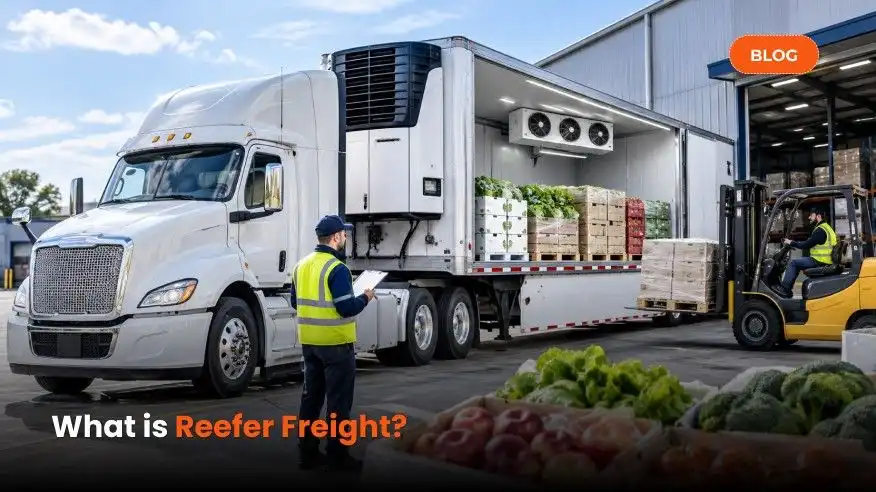
Transporting goods that require specific temperature conditions can be challenging for businesses. Products such as fresh fruits, vegetables, dairy items, frozen foods, seafood, and certain pharmaceutical products need proper temperature management during transportation. Even a small change in temperature can affect their quality, freshness, and usability.
This is where reefer freight becomes important.
Reefer freight is a specialized transportation solution that uses refrigerated trailers, trucks, or shipping containers to move temperature-sensitive products under controlled conditions. It allows businesses to transport perishable goods across short and long distances while maintaining the temperature requirements of their shipments.
For manufacturers, food suppliers, retailers, and distributors, understanding how reefer freight works can help them select suitable transportation arrangements and manage their supply chains more effectively.
In this guide, we will explain what reefer freight means, how refrigerated transportation works, which products require it, and what businesses should consider when arranging a refrigerated shipment.
What is Reefer Freight?
Reefer freight refers to the transportation of temperature-sensitive goods using specialized refrigerated equipment. The term "reefer" comes from refrigerated transportation equipment designed to maintain a controlled temperature inside a cargo area.
Unlike standard freight trailers, reefer trailers and containers have refrigeration units that help maintain the required temperature throughout transportation.
These units are commonly used for shipments that need chilled, frozen, or otherwise controlled temperature conditions.
For example, a food distributor transporting frozen products from a processing facility to a retail distribution center may use a refrigerated trailer. Similarly, a company shipping fresh produce across multiple states may require refrigerated transportation to help maintain product quality during transit.
Reefer freight is commonly used in road transportation and international shipping. Depending on the shipment, businesses may use refrigerated trucks, reefer trailers, or refrigerated ocean containers.
The main objective is to maintain suitable cargo conditions throughout the journey and reduce the risks associated with temperature exposure.
How Does Reefer Freight Transportation Work?
Reefer freight transportation involves more than placing products inside a refrigerated trailer. It requires proper planning, suitable equipment, temperature management, and coordination between the shipper, carrier, and receiving facility.
Here is how the process generally works.
1. Understanding the Shipment Requirements
The first step is identifying the type of goods being transported and their temperature requirements.
Different products need different conditions. Frozen foods, fresh vegetables, dairy products, seafood, and pharmaceutical shipments cannot all be transported using the same temperature settings.
Before arranging transportation, businesses should confirm:
-
Type of product being shipped.
-
Required temperature range.
-
Total shipment weight and dimensions.
-
Packaging and handling requirements.
-
Pickup and delivery locations.
-
Expected transit time.
Having this information helps determine the appropriate refrigerated equipment for the shipment.
2. Selecting the Right Reefer Equipment
Once the shipment requirements are clear, the next step is choosing suitable refrigerated transportation equipment.
Depending on the cargo and transportation distance, businesses may use reefer trucks, refrigerated trailers, or refrigerated shipping containers.
The equipment must be capable of maintaining the required temperature conditions for the specific shipment.
3. Preparing the Cargo Before Loading
Proper cargo preparation is important for refrigerated shipping.
Products should be prepared, packaged, and stored according to their transportation requirements before loading. For example, frozen products generally need to be frozen before entering a refrigerated trailer.
A refrigeration unit is primarily designed to maintain cargo temperature rather than rapidly cool improperly prepared goods.
4. Loading Products Into the Refrigerated Trailer
Loading procedures can influence temperature consistency inside the trailer.
Products should be arranged in a way that allows appropriate airflow. Blocking air circulation can create uneven temperature conditions within the cargo area.
Loading teams should also minimize unnecessary exposure to outside temperatures and follow suitable handling procedures.
5. Temperature Monitoring During Transportation
Temperature monitoring helps identify whether the shipment is being maintained within its required range.
Depending on the equipment and service arrangement, temperature sensors, digital monitoring systems, and data loggers may be used.
These systems can help transportation teams review temperature conditions and investigate potential variations during transit.
6. Delivery and Unloading
The final stage involves delivering the shipment and unloading products under appropriate conditions.
Proper coordination between the carrier and receiving facility can reduce unnecessary waiting times and temperature exposure.
Where required, shipment documentation and temperature records may also be reviewed after delivery.
What Products Require Reefer Freight?
Several industries depend on refrigerated freight transportation because their products are sensitive to temperature changes.
1. Fresh Fruits and Vegetables
Fresh produce is one of the most common types of cargo transported through reefer freight.
Fruits and vegetables can lose freshness, moisture, and quality when exposed to unsuitable temperatures. Different varieties also have different storage requirements.
Refrigerated transportation helps businesses move produce from farms and processing facilities to wholesalers, retailers, and distribution centers.
2. Meat and Poultry
Meat and poultry products require appropriate temperature control during transportation to support food safety and maintain product quality.
Refrigerated trailers help maintain the specified conditions during distribution from processing facilities to retailers and food service businesses.
3. Dairy Products
Milk, cheese, yogurt, butter, and other dairy products may require refrigerated transportation depending on their processing, packaging, and storage requirements.
Maintaining appropriate conditions helps preserve product quality throughout the distribution process.
4. Frozen Foods
Frozen vegetables, seafood, meat, ready-to-eat meals, and other frozen products require transportation equipment capable of maintaining their specified frozen conditions.
Reefer freight is commonly used to transport these products over long distances.
5. Seafood
Fresh and frozen seafood products are particularly sensitive to temperature and handling conditions.
Refrigerated transportation helps maintain suitable conditions when seafood moves from fishing facilities and processing plants to distributors, wholesalers, and retailers.
6. Pharmaceutical Products
Certain medicines, vaccines, biological materials, and pharmaceutical ingredients require controlled transportation conditions.
These shipments may need specialized packaging, temperature monitoring, documentation, and handling procedures according to manufacturer specifications and applicable regulations.
7. Flowers and Other Perishable Goods
Fresh flowers and certain plants can be affected by unsuitable temperature and humidity conditions.
Temperature-controlled transportation can help maintain their appearance and quality during distribution.
What Are the Different Types of Reefer Freight Equipment?
Businesses can use different types of refrigerated transportation equipment depending on the shipment size, route, and product requirements.
Refrigerated Trucks
Refrigerated trucks are used for transporting temperature-sensitive goods over short and medium distances.
They are suitable for local and regional deliveries involving fresh produce, dairy products, frozen foods, and other perishable goods.
Reefer Trailers
Reefer trailers are refrigerated trailers commonly attached to semi-trucks.
They are widely used for full truckload shipments and long-distance freight transportation. Their refrigeration units help maintain the required cargo temperature during transit.
Refrigerated Shipping Containers
Refrigerated shipping containers, commonly known as reefer containers, are used for international transportation.
They are designed to transport temperature-sensitive products through ocean freight and intermodal supply chains.
Refrigerated Warehousing
Although refrigerated warehouses are not transportation vehicles, they are an important part of temperature-controlled freight operations.
These facilities provide controlled storage conditions before goods are transported or distributed to their final destinations.
What Is the Difference Between Reefer Freight and Dry Van Freight?
Reefer freight and dry van freight are two common types of truck transportation, but they serve different shipping requirements.
Dry van trailers are enclosed trailers designed to protect cargo from weather and external conditions. However, they do not have built-in refrigeration systems.
Reefer trailers contain refrigeration equipment that helps maintain specific temperature conditions inside the cargo area.
|
Reefer Freight |
Dry Van Freight |
|
Uses refrigerated trailers |
Uses standard enclosed trailers |
|
Suitable for temperature-sensitive products |
Suitable for general dry cargo |
|
Includes refrigeration equipment |
Does not include a refrigeration unit |
|
Requires temperature management |
Does not generally require cargo refrigeration |
|
Commonly transports food and perishable goods |
Commonly transports packaged goods, furniture, and general merchandise |
The right option depends on the type of product being shipped. Businesses transporting frozen food or temperature-sensitive products generally need reefer transportation, while ordinary packaged goods can often be moved using dry van freight.
What Are the Benefits of Reefer Freight?
Reefer freight provides several advantages for businesses that transport perishable and temperature-sensitive products.
1. Helps Maintain Product Quality
Temperature-controlled transportation helps protect products from unsuitable temperature exposure during transit.
This is particularly important for fresh food, dairy products, seafood, and other goods with specific storage requirements.
2. Supports Food Safety
Appropriate temperature management is an important part of food transportation.
Refrigerated equipment, proper sanitation, suitable packaging, and correct handling procedures help businesses manage food transportation requirements.
3. Supports Long-Distance Transportation
Businesses can distribute perishable products across wider geographical areas when suitable refrigerated transportation arrangements are available.
This helps connect manufacturers, farms, distributors, wholesalers, and retailers across different markets.
4. Helps Reduce Product Losses
Temperature fluctuations and improper handling can contribute to product spoilage.
Suitable reefer equipment and shipment monitoring can help reduce avoidable losses during transportation.
5. Provides Flexible Transportation Options
Businesses can arrange refrigerated trucks, trailers, or shipping containers depending on shipment volume, transportation distance, and delivery requirements.
This flexibility supports different types of refrigerated freight movements.
What Factors Affect Reefer Freight Costs?
Reefer freight can cost more than standard dry van transportation because it requires specialized equipment and temperature management.
However, the actual shipping cost depends on several factors.
1. Transportation Distance: Longer routes generally involve higher transportation expenses, including fuel and operating costs.
2. Shipment Weight and Volume: The total cargo weight, dimensions, and available trailer capacity can influence pricing.
3. Temperature Requirements: Specific chilled or frozen conditions may affect equipment operation and transportation arrangements.
4. Equipment Availability: Reefer trailer availability and demand in the pickup and delivery markets can influence freight rates.
5. Pickup and Delivery Locations: Route accessibility, regional demand, and delivery requirements can affect the overall cost.
6. Transit Time: Time-sensitive shipments may require specific scheduling and transportation arrangements.
7. Additional Services: Special handling, temperature monitoring, loading requirements, and refrigerated storage may add to the total shipment cost.
Businesses should provide accurate shipment details when requesting a reefer freight quote to receive a more relevant transportation estimate.
Common Challenges in Reefer Freight Transportation
Although refrigerated freight helps businesses transport sensitive goods, it also involves operational challenges that require attention.
Temperature Fluctuations
Unexpected temperature changes can affect cargo quality. Equipment performance, external weather conditions, loading procedures, and extended door openings may influence internal temperatures.
Refrigeration Equipment Problems
A refrigeration unit needs proper inspection and maintenance. Mechanical issues during transit can create risks for temperature-sensitive cargo.
Loading and Airflow Issues
Improperly arranged cargo can restrict airflow inside the trailer, resulting in uneven temperature conditions.
Delivery Delays
Traffic, severe weather, route disruptions, and unexpected operational issues can affect delivery schedules.
Higher Operating Costs
Refrigerated equipment involves additional operating and maintenance expenses compared with standard freight trailers.
Understanding these challenges helps businesses plan shipments and communicate their requirements more effectively.
How to Choose the Right Reefer Freight Service
Selecting the right refrigerated freight provider is important when transporting products that require controlled temperatures.
Before making a decision, businesses should consider the following:
-
Product handling experience: Look for a transportation provider familiar with the requirements of your particular cargo.
-
Equipment suitability: Confirm that the available refrigerated equipment matches your shipment requirements.
-
Temperature monitoring: Ask about available monitoring systems and temperature reporting procedures.
-
Communication: Choose a provider that maintains clear communication about pickup, transit, and delivery.
-
Transportation coverage: Check whether the provider can arrange transportation for your required origin and destination.
-
Shipment flexibility: Consider whether the provider can accommodate your shipment volume, delivery schedule, and handling requirements.
Providing complete shipment information helps the logistics provider evaluate suitable transportation arrangements.
How Empath Logistics Supports Refrigerated Freight Transportation
Businesses transporting temperature-sensitive goods need suitable freight arrangements that consider product specifications, equipment requirements, transit schedules, and delivery coordination.
Empath Logistics offers logistics and transportation solutions for businesses with different shipping requirements.
Companies looking for temperature-controlled freight options can explore its Refrigerated Freight Services to learn more about refrigerated transportation solutions.
When planning a refrigerated shipment, businesses should share important information such as product type, required temperature range, shipment weight, pickup location, destination, and expected delivery schedule.
This information helps evaluate the transportation requirements and identify an appropriate freight arrangement.
For businesses seeking Refrigerated Transport Services, understanding the shipment requirements and selecting suitable equipment are important steps toward better freight management.
Conclusion
Reefer freight plays an important role in transporting products that require specific temperature conditions. From fresh produce and dairy products to frozen foods and pharmaceuticals, refrigerated transportation helps businesses move sensitive cargo while maintaining appropriate environmental conditions.
Successful reefer shipping depends on proper equipment selection, product preparation, temperature monitoring, loading practices, and coordination throughout the transportation process.
For businesses handling perishable goods, choosing an appropriate refrigerated freight solution can support better shipment management and more reliable distribution operations.
If your business needs temperature-controlled transportation, explore the refrigerated freight solutions available through Empath Logistics and learn more about arranging suitable transportation for your shipment requirements.
Related Reading on Reefer Freight Services:
How Reefer Freight Supports Pharmaceutical Transportation
How to Choose the Right Reefer Freight Service for Your Business
Reefer Freight Shipping Costs: Factors Businesses Should Know
Understanding Temperature Requirements for Reefer Freight
Frequently Asked Questions About Reefer Freight
1. What does reefer freight mean?
Reefer freight refers to the transportation of temperature-sensitive products using refrigerated trucks, trailers, or shipping containers. The equipment helps maintain specified temperature conditions during transit.
2. What is a reefer truck used for?
A reefer truck is used to transport goods that require controlled temperatures. Common examples include fresh produce, dairy products, frozen food, meat, seafood, and certain pharmaceutical products.
3. What is the difference between reefer freight and refrigerated freight?
Both terms generally refer to temperature-controlled freight transportation. Reefer freight commonly describes shipments moved using refrigerated trailers or containers, while refrigerated freight is a broader term for temperature-controlled cargo transportation.
4. What temperature does a reefer trailer maintain?
A reefer trailer can maintain different temperature settings depending on the refrigeration equipment and cargo requirements. The appropriate setting depends on the product being transported rather than one universal temperature.
5. Is reefer freight more expensive than dry van freight?
Reefer freight can be more expensive because refrigerated trailers require specialized equipment, maintenance, and refrigeration operation. Actual costs depend on shipment size, distance, temperature requirements, and market conditions.
6. What products are commonly transported using reefer freight?
Common products include fruits, vegetables, meat, poultry, seafood, dairy products, frozen foods, beverages, flowers, and certain temperature-sensitive pharmaceutical products.
7. How does a reefer trailer maintain cargo temperature?
A reefer trailer uses a refrigeration unit to manage the temperature inside its cargo area. The unit circulates conditioned air to help maintain the required conditions throughout transportation.
8. Can reefer freight be used for long-distance transportation?
Yes. Reefer trailers are commonly used for long-distance domestic transportation, while refrigerated shipping containers support international ocean freight and intermodal transportation.
9. Why is temperature monitoring important in reefer freight?
Temperature monitoring helps identify whether cargo conditions remain within the specified range. It can also help transportation teams investigate temperature variations and maintain relevant shipment records.
10. How can I arrange refrigerated freight transportation?
To arrange refrigerated freight, provide details about your product, temperature requirements, shipment weight, pickup and delivery locations, and preferred schedule. A logistics provider can use this information to evaluate suitable transportation options.
Share:

-
 Road Freight
-
Reefer Freight
-
Ocean Freight
-
Logistics Insight
-
Less Than Truckload
-
Full Truck Load
-
Cargo
-
Drayage
-
Power only Trucking
-
Flatbed Trucking
-
Intermodal
-
Cross Border
-
3PL
-
Supply Chain
-
Warehousing vs. Logistics
-
Full Container Load
-
Refrigerated Transport Services
-
Temperature-Controlled Shipping
-
Warehouse





‘0’ Comments
Leave A Comments