

Nov 09, 2026

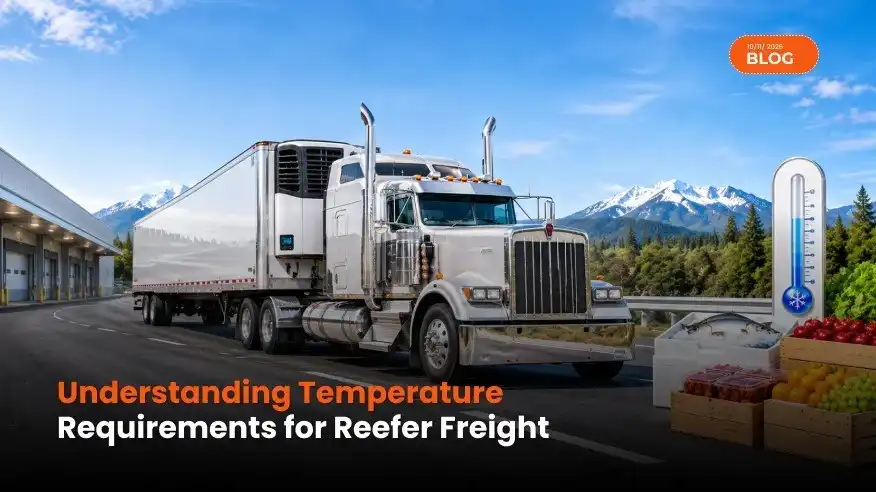
Temperature management is one of the most important parts of refrigerated freight transportation. Businesses shipping fresh produce, meat, dairy products, seafood, frozen food, and other temperature-sensitive goods must ensure that their cargo travels under suitable conditions. Even small mistakes in temperature settings or handling procedures can affect product quality and create avoidable shipping problems.
However, there is no single temperature that works for every refrigerated shipment. Different products have different storage requirements. Some need chilled conditions, others must remain frozen, and certain products require a carefully controlled temperature above freezing.
Understanding reefer freight temperature requirements helps shippers choose suitable equipment, prepare cargo correctly, and plan transportation more effectively.
In this guide, we explain how reefer temperature settings work, the temperature needs of common cargo types, and the factors businesses should consider when arranging refrigerated freight.
Reefer freight temperature requirements refer to the specific temperature conditions that must be maintained while transporting temperature-sensitive products in refrigerated trucks, trailers, or containers.
A reefer unit is designed to help maintain the required temperature inside an insulated cargo space. The correct setting depends on the product being transported, its condition before loading, packaging, and handling instructions.
For example:
Fresh produce may require chilled conditions.
Frozen meat generally needs to remain frozen.
Dairy products often require refrigeration.
Certain medicines need a manufacturer-specified temperature range.
Some flowers require cool conditions but can be damaged by excessive chilling.
The shipper should confirm the required temperature before booking transportation. Using a general setting without checking product-specific instructions can put cargo at risk.
Refrigerated freight equipment uses a refrigeration system and an insulated cargo compartment to help maintain suitable conditions during transportation.
The process generally involves several steps.
Before loading, the shipper identifies the product's required temperature range. This information should come from product specifications, manufacturer instructions, or applicable industry guidance.
The temperature setting should match the cargo rather than being selected simply because it is commonly used for other refrigerated products.
The refrigerated trailer or container is inspected before use. The refrigeration unit, doors, insulation, and other relevant components should be checked to confirm that the equipment is suitable for the shipment.
When required, the cargo space is pre-cooled before loading.
Cargo must be arranged to allow proper airflow. Products stacked too tightly or placed in front of air outlets can restrict circulation and create uneven temperature conditions.
Loading practices should follow the equipment guidelines and the shipment's handling instructions.
The refrigeration unit operates to help maintain the selected conditions during transportation.
Depending on the shipment, temperature may be recorded or monitored through sensors, digital displays, data loggers, or remote monitoring systems.
At the destination, the shipment should be handled according to the receiver's requirements. Where necessary, temperature records and shipment documentation may be reviewed.
Different products have different temperature needs. The following examples provide general context, not universal shipping instructions. Actual settings must be confirmed against product specifications and applicable handling requirements.
Fresh fruits and vegetables are sensitive to temperature, humidity, and airflow. Suitable refrigerated conditions can slow ripening and help maintain product quality during transportation.
However, not all produce should be shipped at the same temperature.
Examples include:
Apples
Berries
Grapes
Lettuce
Broccoli
Carrots
Citrus fruits
Fresh herbs
Some produce can be damaged by excessively low temperatures. Others may require ventilation or humidity management in addition to refrigeration.
Shippers should also consider whether different products can safely share the same refrigerated trailer. Certain fruits release ethylene, a natural plant hormone that can affect the ripening of other produce.
Important consideration: Product-specific temperature and compatibility requirements should be confirmed before combining different types of produce in one shipment.
Meat and poultry products require careful temperature management during transportation.
Common shipments include beef, pork, chicken, turkey, and processed meat products.
Fresh and frozen meat have different requirements. Fresh products generally need chilled conditions, while frozen products must remain within the specified frozen temperature range.
Businesses should consider:
Whether the product is fresh, chilled, or frozen.
The required temperature range.
Packaging and loading instructions.
Applicable food safety requirements.
The expected transit time.
Proper handling before loading is just as important as maintaining the temperature during transportation.
Dairy products can deteriorate when exposed to unsuitable temperatures. Refrigerated transportation is commonly used for products such as:
Milk
Cheese
Yogurt
Cream
Butter
Other refrigerated dairy products
Different dairy products may have different temperature and storage requirements depending on their processing and packaging.
For example, some shelf-stable dairy products do not require the same transportation conditions as fresh milk or refrigerated yogurt.
Shippers should follow the product's specified storage instructions instead of applying one temperature setting to every dairy shipment.
Frozen food requires low-temperature conditions to remain frozen throughout transportation.
Examples include:
Frozen vegetables
Frozen seafood
Frozen meat
Ice cream
Ready-to-cook meals
Frozen bakery products
The refrigeration system must be suitable for maintaining the required frozen conditions throughout the journey.
Proper loading is also important. Cargo should be arranged to support air circulation, and loading procedures should minimize unnecessary exposure to warmer conditions.
Businesses should confirm that products are already at the required shipping temperature before loading.
Seafood is particularly sensitive to unsuitable storage and transportation conditions.
Fresh fish, shrimp, shellfish, and other seafood products may require chilled conditions, while frozen seafood must remain frozen.
Temperature requirements can vary according to the species, product form, processing method, packaging, and intended use.
Businesses transporting seafood should confirm the correct handling instructions and consider any additional food safety or documentation requirements.
Certain pharmaceutical products require carefully controlled temperatures during transportation.
These may include:
Certain vaccines
Temperature-sensitive medicines
Biologics
Selected injectable medicines
Certain diagnostic products
Pharmaceutical shipping can involve stricter controls than ordinary refrigerated freight.
Depending on the product, requirements may include:
Manufacturer-defined temperature ranges.
Qualified packaging and transportation arrangements.
Calibrated temperature monitoring devices.
Temperature records and shipment documentation.
Procedures for handling temperature excursions.
Some medicines require refrigerated conditions, while others require controlled room temperature or frozen storage. Shippers should always follow the manufacturer's instructions and applicable regulatory requirements.
Flowers and plants can be affected by both excessive heat and excessively low temperatures.
Common products transported under controlled conditions include roses, lilies, tulips, orchids, and other cut flowers.
Different varieties have different temperature sensitivities. Some flowers may suffer chilling injury if exposed to temperatures that are too low.
Humidity, ventilation, packaging, and transportation time also influence their condition.
Chocolate and certain confectionery products can be sensitive to heat and temperature fluctuations.
High temperatures may cause chocolate to soften or melt, while repeated temperature changes can affect its appearance and texture.
Some products may need temperature-managed transportation depending on their formulation, packaging, season, and route.
Businesses should confirm whether refrigerated transportation is necessary or whether another controlled shipping arrangement is more suitable.
One of the most important decisions in refrigerated shipping is understanding whether a product needs chilled or frozen conditions.
|
Feature |
Chilled Freight |
Frozen Freight |
|
Temperature condition |
Above freezing, within the product's specified range |
Below freezing, within the required frozen range |
|
Common cargo |
Fresh dairy, certain produce, chilled meat |
Frozen vegetables, frozen meat, ice cream |
|
Main objective |
Maintain freshness and suitable storage conditions |
Keep products frozen |
|
Temperature setting |
Product-specific |
Product-specific |
|
Handling needs |
Temperature and airflow management |
Maintaining frozen conditions and minimizing exposure |
Chilled and frozen shipments should not be treated as interchangeable. Using an unsuitable setting can damage products even when the refrigeration equipment is working correctly.
Selecting the correct reefer temperature involves more than identifying the product category. Several factors can influence the required conditions.
Different products have different temperature sensitivities. Fresh produce, meat, dairy products, and pharmaceuticals should not automatically use the same setting.
Refrigerated transportation equipment is generally designed to maintain the required cargo temperature rather than rapidly cool warm products.
Products should be prepared and brought to the appropriate shipping temperature before loading, according to their handling instructions.
Packaging can influence how products respond to temperature changes and how air moves around the cargo.
Some shipments may need insulated packaging, protective materials, or specialized containers.
Longer transportation routes increase the time products remain inside the refrigerated equipment.
Shippers should consider the expected transit time, possible delays, and the equipment's suitability for the journey.
Airflow is essential for maintaining more consistent conditions throughout the cargo area.
Blocked air channels, incorrect stacking, and overloading can interfere with the refrigeration system's performance.
Seasonal weather and external temperatures can affect the operating conditions of refrigerated equipment.
Suitable equipment preparation, insulation, and operating procedures help manage these environmental challenges.
A temperature excursion occurs when the temperature of a shipment moves outside its specified acceptable range.
For example, a chilled product may become warmer than its permitted limit, or a frozen shipment may experience conditions that cause partial thawing.
Potential causes include:
Refrigeration equipment malfunction.
Incorrect temperature settings.
Poor airflow inside the trailer.
Extended loading or unloading times.
Power interruptions affecting refrigerated containers.
Transportation delays.
Incorrect product preparation.
A temperature excursion does not automatically mean that every affected product is unusable. The impact depends on the product, the duration and extent of the deviation, and applicable quality or safety requirements.
Businesses should follow the product-specific deviation procedure and avoid making decisions based only on a single temperature reading.
Temperature monitoring helps businesses understand whether shipment conditions remain within the required range.
Common monitoring methods include:
Many refrigerated units provide temperature information through digital displays. These allow operators to review equipment settings and readings.
Data loggers record temperature information over time. They can provide a record of conditions during transportation and help identify periods when temperatures moved outside the expected range.
Some equipment uses remote monitoring technology to share temperature information with authorized users.
This can help logistics teams identify potential issues and coordinate an appropriate response.
For shipments with specific quality or regulatory requirements, temperature records may be part of the transportation documentation.
The monitoring method should match the sensitivity of the cargo and the requirements of the shipment.
Even suitable refrigerated equipment can be used incorrectly. Businesses should avoid these common mistakes.
Using One Temperature for Every Product: Different cargo types have different requirements. Always confirm the correct setting.
Loading Warm Products: Refrigeration units are generally intended to maintain the required temperature, not rapidly cool improperly prepared cargo.
Ignoring Airflow: Poor cargo arrangement can prevent refrigerated air from circulating properly.
Overlooking Equipment Preparation: Equipment should be inspected and prepared before loading.
Ignoring Temperature Records: For sensitive shipments, temperature documentation can help businesses review transportation conditions.
Mixing Incompatible Products: Products with different temperature, humidity, or ethylene sensitivity requirements may not be suitable for the same load.
Choosing a suitable transportation provider is important for businesses shipping temperature-sensitive products.
Before booking, consider the following:
Cargo knowledge: Check whether the provider understands the handling requirements of your product.
Equipment suitability: Confirm that the available refrigerated trailer or container can meet the required conditions.
Temperature monitoring: Ask what monitoring and recording arrangements are available.
Loading procedures: Discuss pre-cooling, airflow, and cargo preparation requirements.
Route planning: Review the expected transit time, pickup location, destination, and possible delays.
Communication: Understand how temperature issues and shipment updates will be communicated.
Provide accurate details about the cargo, temperature range, weight, dimensions, packaging, pickup location, and destination when requesting a transportation quote.
Businesses moving temperature-sensitive goods need transportation arrangements that consider product requirements, suitable equipment, route planning, and delivery coordination.
Empath Logistics offers logistics solutions for businesses arranging freight transportation. When planning a refrigerated shipment, companies should share their cargo type, required temperature range, shipment size, pickup location, and destination to help determine suitable transportation arrangements.
Whether a business is shipping fresh food, frozen products, agricultural goods, or other temperature-sensitive cargo, understanding the correct shipping conditions is an important part of planning.
Explore Reefer Freight Services to learn more about refrigerated freight transportation options from Empath Logistics.
Reefer freight temperature requirements depend on the product being transported. Fresh produce, dairy products, meat, frozen food, and pharmaceuticals can all require different temperature ranges. Shippers should follow product-specific instructions.
There is no universal reefer truck temperature. The correct setting depends on the cargo's storage requirements, product condition, packaging, and handling instructions.
Chilled freight maintains products within a specified temperature range above freezing, while frozen freight maintains products at the required frozen temperature. The exact settings vary by product.
Temperature monitoring helps businesses review shipment conditions and identify possible deviations from the required range. It is especially important for sensitive food and pharmaceutical products.
Sometimes, but only when their temperature, humidity, airflow, and handling requirements are compatible. Products with conflicting requirements should not automatically be transported together.
Possible causes include equipment problems, incorrect settings, blocked airflow, poor loading practices, extended door openings, power interruptions, and transportation delays.
A reefer unit is generally designed to maintain the required temperature inside the cargo area. Products should normally be brought to their appropriate shipping temperature before loading.
The effect depends on the product, the extent of the temperature change, and how long the deviation lasts. Businesses should follow product-specific quality and safety procedures to assess the shipment.
Yes. Pharmaceutical shipments may require specific temperature ranges, qualified packaging, calibrated monitoring, documented handling procedures, and additional regulatory controls.
Identify the product, required temperature range, shipment weight and dimensions, pickup location, destination, and delivery schedule. Share these details with a logistics provider to discuss suitable refrigerated transportation options.
Share:


Nov 03, 2026

Apr 24, 2025














‘0’ Comments
Leave A Comments