
Apr 01, 2025

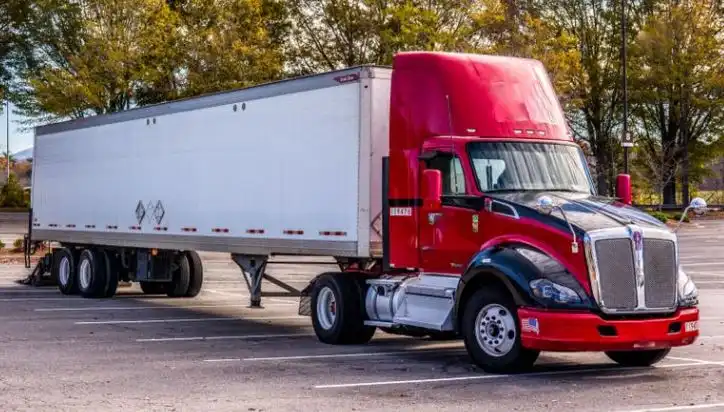
Although drayage usually covers a relatively short distance, it can have a significant impact on delivery schedules, transportation costs, and overall shipping efficiency. Without reliable container transportation, goods can remain at terminals longer than expected, creating delays for businesses and their customers.
Understanding what a drayage trucking company does can help importers, exporters, manufacturers, retailers, and logistics managers plan shipments more effectively. In this guide, we will explain how drayage trucking works, the different types of drayage services, their benefits, common challenges, and how to choose the right provider.
A drayage trucking company is a transportation provider that specializes in moving shipping containers or freight over short distances, usually between ports, rail yards, container terminals, warehouses, and distribution centers.
Drayage is commonly used as one part of a larger freight journey. For example, a container might travel across an ocean by ship and then be transported by truck from the port to a nearby warehouse. A drayage carrier handles that local trucking portion of the journey.
Unlike long-haul trucking, which generally involves transporting freight across extended distances, drayage focuses on connecting transportation hubs and nearby facilities. It helps link ocean shipping, rail freight, and road transportation into a coordinated supply chain.
Businesses can explore professional
options when they need support moving containers between freight terminals and inland facilities.
In simple terms, a drayage trucking company helps ensure that containers continue moving after arriving at a port or rail terminal, rather than remaining at the transportation hub.
A drayage carrier manages the short-distance movement of containers and coordinates the practical steps needed to complete each transport job. The exact responsibilities depend on the shipment, the carrier's services, and the requirements of the terminal or receiving facility.
The carrier arranges to collect containers from a seaport, rail terminal, or designated container yard. Before pickup, the team may need to confirm container availability, release status, terminal appointments, and equipment requirements.
After pickup, the container is transported to a warehouse, distribution center, manufacturing facility, or another approved destination. The route and vehicle must be appropriate for the container's dimensions, weight, and delivery requirements.
Drayage companies often work with freight forwarders, shipping lines, terminal operators, brokers, and warehouse teams. Good coordination helps prevent missed appointments and unnecessary waiting.
For many import shipments, the container must be returned empty to a designated terminal or depot after unloading. The carrier needs to follow the shipping line's return instructions and applicable deadlines.
Drayage connects different transportation methods. A container may travel by ship, continue by truck to a rail terminal, and then move by train to another region. The short trucking legs help connect the stages of the journey.
Depending on the arrangement, a drayage company may also provide shipment updates, coordinate equipment, and communicate potential delays to customers.
The drayage process typically follows several steps, from shipment planning to container delivery and return.
Shipment planning: The shipper or logistics coordinator identifies the pickup point, delivery destination, container details, and required delivery window.
Documentation and release: The responsible parties confirm that the container is available and that the required customs, shipping-line, and terminal releases have been completed.
Appointment and equipment arrangements: The carrier coordinates terminal access, pickup timing, and suitable equipment, including a chassis when needed.
Container pickup: The driver collects the container and checks the relevant identification and interchange information.
Local transportation: The loaded container is transported to the warehouse, rail yard, distribution center, or other agreed destination.
Unloading and return: Once the goods are unloaded, the empty container is returned to the designated location when required.
The process can vary depending on whether the shipment is an import, export, or transfer between transportation providers. Delays in documentation, terminal access, or receiving arrangements can affect the schedule even when the actual driving distance is short.
Drayage services are designed to meet different transportation requirements. Understanding the available options can help businesses select a suitable service for their cargo and delivery schedule.
Port drayage involves moving containers between a marine terminal and a nearby warehouse, container yard, rail terminal, or other facility.
It is commonly used for imported goods arriving by ocean freight and export containers moving toward a seaport.
Example: An importer receives a container of furniture at a port and arranges trucking to transport it to a regional warehouse.
Intermodal drayage connects different transportation modes, particularly road and rail or road and ocean shipping. The container is moved by truck between a terminal and the next stage of its journey.
This service is important when businesses use multiple transportation methods to move freight over long distances.
Intra-carrier drayage involves transferring containers between facilities within the same carrier's transportation network. For example, a container may need to move between two rail facilities managed by the same transportation provider.
Inter-carrier drayage involves moving containers between facilities or networks operated by different transportation providers. It helps coordinate the transfer of freight when more than one carrier is involved.
Expedited drayage is intended for shipments that require priority handling or faster transportation arrangements. It may be useful when a delivery deadline is approaching or a delay could disrupt warehouse or production schedules.
Availability and transit times depend on carrier capacity, terminal appointments, and operating conditions.
Shuttle drayage moves containers between a terminal and a nearby temporary storage yard or other designated facility. It can help manage space constraints or support operations when containers cannot immediately move to their final destinations.
Door-to-door drayage generally refers to transporting a container from a port or rail terminal directly to the receiving facility. The exact service scope depends on the agreement, and longer journeys may require additional trucking beyond the local drayage leg.
These categories can overlap. For example, a port-to-rail transfer may involve both port and intermodal drayage.
Drayage may cover only a small part of a container's total journey, but it can affect the performance of the entire supply chain.
Once containers arrive at ports or rail terminals, they need to be moved onward. Reliable drayage helps prevent cargo from remaining at these facilities longer than necessary.
Ocean vessels, rail networks, and road freight operate differently. Drayage provides the road connection that allows containers to move between these systems.
Warehouses need to receive inventory according to their available capacity and operating schedules. Coordinated container deliveries can help businesses plan unloading, storage, and onward distribution.
Timely pickup and delivery can reduce disruptions to manufacturing, retail replenishment, and customer fulfillment. However, performance also depends on terminal availability, paperwork, traffic, and warehouse readiness.
Importers and exporters often rely on drayage to connect international freight with inland transportation. It helps move goods from ports toward their next destination and carries export containers to departure terminals.
Drayage costs vary according to the route, container requirements, operating conditions, and services included in the transportation agreement.
Common cost factors include:
Distance: The pickup and delivery locations affect the required driving time and operating expenses.
Container size and weight: The container's dimensions, cargo weight, and equipment requirements can influence pricing.
Fuel and tolls: Fuel surcharges and road tolls may contribute to the total cost.
Chassis charges: A chassis may be required to transport a container, and its use can involve separate charges.
Waiting time: Delays at terminals or receiving facilities may result in waiting-time fees, depending on the agreement.
Terminal appointments: Scheduling restrictions or limited appointment availability can affect operating efficiency.
Storage and container deadlines: Terminal storage, demurrage, detention, and equipment-use charges may apply under the relevant agreements.
Special handling: Refrigerated containers, oversized cargo, or other specialized requirements may increase costs.
Businesses should request a clear quotation and confirm which services and additional charges are included. It is also important to distinguish drayage charges from terminal storage fees and shipping-line equipment charges.
Drayage companies operate in an environment where even a small delay can affect several stages of a shipment. Planning ahead and maintaining clear communication can help reduce these risks.
Busy ports may experience long queues, limited appointment availability, and delays in container collection. These issues can disrupt delivery schedules and increase operating costs.
Missing shipping documents, incomplete customs clearance, or outstanding container releases can prevent drivers from collecting cargo as planned. Businesses should confirm that all required approvals are in place before dispatch.
A chassis is the wheeled frame used to carry a shipping container over the road. If suitable chassis equipment is unavailable, a planned pickup may be delayed.
Some warehouses accept deliveries only during specific time slots. A missed appointment can lead to rescheduling and additional waiting time.
Shipping lines specify where and when empty containers must be returned. Failure to coordinate returns can lead to additional equipment charges.
Fuel changes, waiting time, route restrictions, and terminal delays may affect the final cost. Clear agreements and regular shipment monitoring can help businesses manage these uncertainties.
Choosing a suitable provider requires more than comparing the initial quoted price. Businesses should assess the carrier's operational capabilities, communication, equipment, and ability to meet their shipping requirements.
1. Check experience with port and rail operations. Look for a provider familiar with the terminals and routes relevant to your shipments.
2. Confirm equipment availability. Make sure the provider can arrange suitable trucks, chassis, and any specialized equipment your cargo requires.
3. Review service coverage. Confirm that the company can handle the required pickup and delivery locations, including container return arrangements.
4. Understand the pricing structure. Ask about fuel surcharges, chassis use, waiting time, tolls, and other potential fees.
5. Evaluate communication and tracking. Timely updates help businesses respond when a pickup, delivery, or container return is delayed.
6. Check compliance requirements. Depending on the port, jurisdiction, and type of operation, drivers and carriers may need specific credentials, registrations, or terminal access approvals.
7. Assess scheduling flexibility. Ask how the provider handles urgent requests, appointment changes, and unexpected terminal congestion.
For businesses exploring transportation and supply chain options, Empath Logistics is a useful starting point for learning more about available logistics services.
Drayage and long-haul trucking both move freight by road, but they serve different purposes within the supply chain.
|
Feature |
Drayage trucking |
Long-haul trucking |
|
Typical distance |
Short-distance movements |
Long-distance routes |
|
Main purpose |
Connect ports, rail terminals, and nearby facilities |
Move freight between distant regions |
|
Common cargo |
Shipping containers |
Containers, pallets, trailers, and other freight |
|
Scheduling considerations |
Terminal appointments and container deadlines |
Route planning, driving-hour rules, and delivery windows |
|
Role in logistics |
Often connects transportation modes |
Often covers the main inland transportation leg |
The two services often work together. A container may be moved by drayage from a port to a rail terminal, transported across the country by train, and then collected by another drayage carrier for delivery to a warehouse.
Technology can make container transportation easier to coordinate, especially when several companies are involved in a shipment.
GPS tracking: Helps teams monitor vehicle locations and estimated arrival times.
Digital documentation: Makes shipment information easier to share and review.
Appointment management: Helps coordinate terminal pickups and delivery windows.
Transportation management systems: Support dispatching, shipment planning, and carrier communication.
Electronic status updates: Help shippers and warehouse teams prepare for incoming containers.
Data analysis: Can reveal recurring delays, inefficient routes, and opportunities to improve equipment utilization.
Technology cannot eliminate every delay, but better visibility helps businesses identify problems earlier and make more informed operational decisions.
A drayage trucking company provides an essential link between ports, rail terminals, warehouses, and other freight facilities. Although drayage usually covers a short distance, its performance can influence the timing and cost of an entire shipment.
Understanding the different types of drayage, the factors affecting transportation costs, and the challenges associated with terminal operations can help businesses make better logistics decisions. By choosing an experienced provider, preparing documentation in advance, and coordinating pickups and deliveries carefully, companies can improve container movement and reduce avoidable disruptions.
For businesses looking to understand available transportation options and supply chain support, Empath Logistics offers a place to explore relevant logistics solutions.
Read Our More Blogs:
Common Challenges in Refrigerated Freight Transportation
How Reefer Freight Supports Pharmaceutical Transportation
How to Choose the Right Reefer Freight Service for Your Business
How to Prevent Temperature Excursions During Freight Shipping
Reefer Container vs. Refrigerated Truck: What's the Difference?
A drayage trucking company specializes in transporting shipping containers over short distances, commonly between ports, rail terminals, warehouses, and distribution centers. It connects different stages of the freight transportation process.
An example is a truck collecting an imported container from a seaport and delivering it to a nearby warehouse. After unloading, the empty container may be returned to a designated terminal or depot.
Drayage services are used for port pickups, container deliveries, rail-terminal transfers, container repositioning, and other short-distance movements that connect different transportation facilities.
Trucking is a broad term for transporting goods by road over short or long distances. Drayage is a specialized form of trucking that typically handles short-distance container movements between ports, rail terminals, yards, and nearby facilities.
Intermodal transportation uses two or more transportation modes, such as ships, trains, and trucks, to move freight. Drayage is the short-distance trucking portion that connects those modes.
The cost depends on the distance, container size, fuel expenses, chassis requirements, terminal conditions, waiting time, and any additional service charges. Businesses should request a shipment-specific quotation for an accurate estimate.
Drayage connects seaports with inland warehouses, rail terminals, and distribution facilities. Without this connection, imported and exported containers cannot move smoothly between ocean transportation and inland supply chains.
Businesses can prepare documentation in advance, confirm container availability, arrange terminal appointments, coordinate warehouse receiving times, and monitor container return deadlines. Clear communication between carriers, shippers, and terminals also helps reduce avoidable delays.
Share:


Apr 01, 2025

Mar 30, 2025

Mar 29, 2025

Mar 28, 2025




‘0’ Comments
Leave A Comments