
Nov 02, 2026

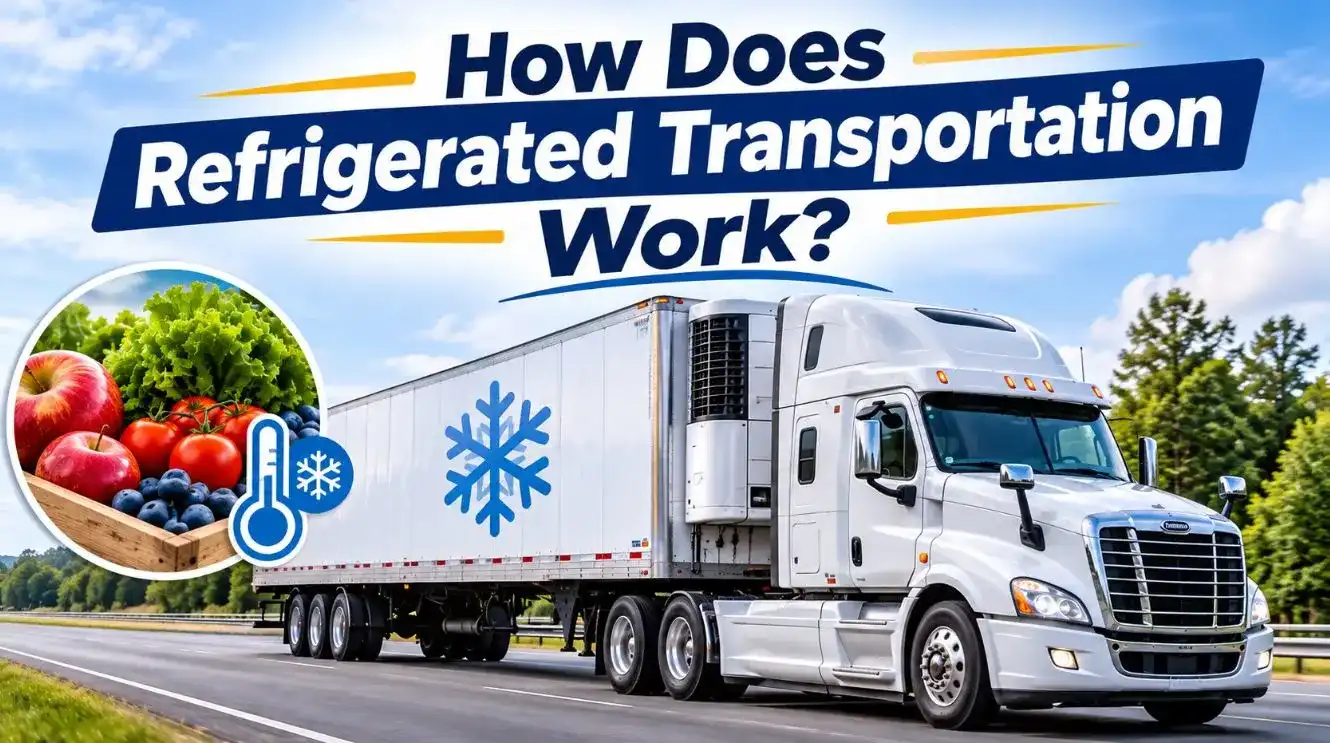
Refrigerated transportation plays an important role in moving products that need controlled temperature conditions during shipping. From fresh fruits and vegetables to dairy products, frozen food, and certain pharmaceutical supplies, many goods require careful handling to maintain their quality during transit.
Unlike standard freight transportation, refrigerated shipping uses specialized vehicles and equipment designed to maintain a suitable temperature throughout the journey. The process involves more than simply placing products inside a cold truck. Proper equipment preparation, temperature settings, cargo loading, airflow, monitoring, and delivery coordination all contribute to a successful shipment.
Understanding how refrigerated transportation works can help businesses select suitable shipping methods, protect temperature-sensitive products, and plan their supply chains more effectively.
This guide explains the refrigerated transportation process, the equipment involved, common applications, and important factors businesses should consider when arranging temperature-controlled freight.
Refrigerated transportation is the movement of temperature-sensitive goods using vehicles or containers equipped with refrigeration systems. These systems help maintain specific temperature conditions while products travel from their pickup location to their destination.
It is commonly used for transporting:
Fresh fruits and vegetables
Meat and poultry
Dairy products
Frozen foods
Seafood
Flowers and plants
Certain medicines and pharmaceutical products
The required temperature depends on the type of cargo. Some products need chilled conditions, while others must remain frozen. Certain sensitive goods may also require a controlled temperature above freezing.
Refrigerated transportation is also known as temperature-controlled transportation or refrigerated freight shipping. The main objective is to maintain suitable conditions throughout the shipping process and reduce the risk of product deterioration.
Refrigerated transportation involves several coordinated steps. Each step helps maintain the required shipping conditions and protect the cargo during transit.
The first step is understanding the cargo. Different products have different temperature requirements, so there is no single temperature setting suitable for every refrigerated shipment.
For example, fresh produce, frozen meat, dairy products, and pharmaceutical goods may all require different handling conditions.
Before arranging transportation, the shipper should confirm:
Product type and quantity
Required temperature range
Whether the cargo needs chilled or frozen conditions
Packaging and handling instructions
Loading and unloading requirements
Clear instructions help the transportation provider select appropriate equipment and plan the shipment.
Once the cargo requirements are known, suitable refrigerated equipment is selected.
Common options include:
Refrigerated Trucks: These vehicles are used for transporting temperature-sensitive goods over regional and longer-distance routes. They are useful for deliveries to retailers, distribution centers, food businesses, and other commercial locations.
Refrigerated Trailers: Reefer trailers are specialized truck trailers equipped with refrigeration units. They are commonly used for larger shipments and full truckload transportation.
Refrigerated Shipping Containers: Also known as reefer containers, these units are designed for temperature-controlled cargo moving through ocean freight networks. They have integrated refrigeration systems and require an appropriate power supply during transportation and storage.
The right option depends on shipment size, transportation distance, route, cargo requirements, and delivery schedule.
Before loading, the refrigerated trailer or container should be inspected and prepared.
This may include checking the refrigeration unit, verifying the equipment's condition, and confirming that the temperature-control system is operating correctly.
For products that require pre-cooled equipment, the trailer or container is brought to the specified temperature before loading.
Pre-cooling the equipment is important, but it does not replace proper product preparation. Refrigerated transportation equipment is generally intended to maintain the cargo's required temperature, not to rapidly cool warm products after loading.
Proper cargo loading is essential for refrigerated shipping.
Even when a refrigeration unit is working correctly, poor loading practices can restrict airflow and create uneven temperature conditions inside the trailer.
Businesses and loading teams should consider:
Leaving appropriate space for air circulation.
Avoiding blocked air outlets and return-air pathways.
Following the equipment's loading guidelines.
Using suitable packaging and pallets.
Keeping loading and unloading time under control.
Avoiding unnecessary exposure to outside temperatures.
The way cargo is arranged can affect how consistently refrigerated air circulates around the products.
After loading, the refrigeration unit helps maintain the required temperature throughout the journey.
The system works by controlling the temperature inside the refrigerated space. Depending on the equipment and shipment arrangements, temperature information may be recorded or monitored during transportation.
Drivers and logistics teams may use monitoring systems to review conditions and identify potential problems.
Temperature monitoring is particularly important for shipments with strict product requirements. If a temperature deviation occurs, the response should follow the product's handling instructions and the agreed transportation procedures.
The final stage is delivering the cargo to its destination.
Refrigerated products should be unloaded according to the receiver's requirements. Delays at delivery locations can increase exposure to outside temperatures, so coordination between the shipper, carrier, and receiver is important.
After unloading, temperature records and shipment documentation may also be reviewed when required.
Following the correct delivery process helps businesses maintain better control over temperature-sensitive goods.
Refrigerated transportation depends on specialized equipment designed to maintain controlled conditions during shipping.
A refrigeration unit is the main temperature-control component of a reefer truck or trailer. It helps maintain the selected temperature inside the cargo area.
The unit's capacity and operating requirements should match the equipment and cargo being transported.
Refrigerated trailers and containers use insulated construction to reduce heat transfer between the inside and outside environments.
Insulation helps the refrigeration system maintain the required conditions more effectively.
Temperature monitoring devices help record or display conditions inside the refrigerated space.
Depending on the shipment, monitoring may involve digital sensors, data loggers, or remote tracking systems. These tools can help identify temperature changes and support shipment documentation.
Air circulation is essential because refrigerated air needs to move properly around the cargo.
The refrigeration system and trailer design work together to distribute air. Incorrect loading can interfere with this circulation and create temperature variations.
Many industries rely on temperature-controlled freight to move products safely and maintain their intended quality.
Food manufacturers, distributors, grocery suppliers, and retailers use refrigerated transportation to move perishable products.
Common shipments include fresh produce, dairy products, meat, seafood, beverages, and frozen meals.
Agricultural businesses often transport fruits, vegetables, and other fresh products to processing facilities, distribution centers, and retail markets.
Suitable temperature conditions can help slow product deterioration during transportation.
Some medicines, vaccines, and medical products require controlled temperature conditions during distribution.
These shipments may involve additional requirements, such as qualified packaging, temperature monitoring, documented handling procedures, and specific regulatory controls.
Flowers and certain plants can be sensitive to heat and environmental changes. Refrigerated transportation can help maintain suitable conditions during delivery.
Frozen food manufacturers and distributors rely on temperature-controlled equipment to transport products such as frozen vegetables, meat, seafood, and ready-to-eat meals.
Using suitable refrigerated transportation provides several advantages for businesses handling temperature-sensitive cargo.
Maintaining the appropriate temperature helps protect products from unsuitable environmental conditions during transit.
Proper refrigeration, packaging, loading, and handling can reduce the risk of deterioration in perishable goods.
However, refrigerated transportation alone cannot guarantee product safety or prevent spoilage. Product condition, initial temperature, handling practices, and transit conditions also matter.
Refrigerated trucks, trailers, and containers allow many temperature-sensitive products to move across regional, national, and international supply chains.
Businesses can distribute perishable products to customers and markets beyond their immediate locations when suitable transportation and storage arrangements are available.
Clear temperature requirements, appropriate equipment, and coordinated delivery schedules help businesses organize refrigerated shipments more effectively.
The main difference between refrigerated transportation and standard freight transportation is temperature control.
|
Comparison |
Refrigerated Transportation |
Standard Transportation |
|
Equipment |
Refrigerated truck, trailer, or container |
Standard truck or trailer |
|
Temperature control |
Active refrigeration system |
No active refrigeration |
|
Cargo |
Temperature-sensitive products |
General goods |
|
Equipment preparation |
May require pre-cooling and temperature checks |
Standard vehicle inspection |
|
Monitoring |
Temperature monitoring may be required |
Usually focuses on shipment and vehicle status |
|
Operating requirements |
Additional refrigeration and handling considerations |
General freight handling |
Businesses should choose transportation based on the product's requirements. Not every shipment needs refrigeration, but goods that require controlled temperatures should not be moved in standard equipment without an appropriate alternative.
Although refrigerated transportation helps protect sensitive cargo, several challenges can affect shipment conditions.
External weather conditions, equipment issues, and loading practices can affect temperature inside the cargo space.
Suitable equipment preparation and monitoring arrangements help manage this risk.
A refrigeration unit can experience mechanical or operational problems. Regular inspections, equipment maintenance, and clear response procedures are important.
Blocked airflow can cause uneven temperature distribution. Following loading guidelines and maintaining suitable airflow space helps reduce this problem.
Traffic, severe weather, port congestion, and unexpected route disruptions can affect delivery schedules.
Advance planning and communication can help businesses respond to transportation delays.
Using the wrong temperature can affect product quality. Shippers should provide accurate product-specific instructions before transportation begins.
Selecting the right transportation provider is an important part of managing temperature-sensitive shipments.
Before choosing a logistics partner, consider the following factors:
Experience with Your Cargo: Check whether the provider understands the handling requirements of your specific product category.
Suitable Equipment: Confirm that the available refrigerated trucks, trailers, or containers meet the shipment's temperature and capacity requirements.
Temperature Monitoring: Ask what temperature monitoring or recording arrangements are available for the shipment.
Communication: Make sure there is a clear process for shipment updates and reporting transportation issues.
Delivery Coordination: Discuss pickup times, delivery appointments, transit expectations, and unloading arrangements.
Shipment Requirements: Provide accurate cargo dimensions, weight, temperature range, packaging details, and route information.
Comparing these factors can help businesses evaluate transportation options beyond the quoted freight price.
Planning temperature-sensitive shipments requires attention to cargo requirements, equipment suitability, transportation routes, and delivery coordination.
Empath Logistics offers logistics solutions for businesses arranging freight transportation. Companies planning refrigerated shipments should communicate their cargo type, required temperature range, shipment size, pickup location, and destination to help determine suitable transportation arrangements.
Whether a business is moving food products, agricultural goods, or other temperature-sensitive cargo, understanding the transportation requirements helps create a more organized shipping plan.
Explore Reefer Freight Services from Empath Logistics to learn more about refrigerated freight transportation options.
Refrigerated transportation uses specialized trucks, trailers, or containers equipped with refrigeration systems. The equipment helps maintain the required temperature while goods travel from the pickup location to the destination.
Its purpose is to move temperature-sensitive products under suitable conditions. It is commonly used for food, dairy products, frozen goods, pharmaceuticals, flowers, and other perishable cargo.
There is no single temperature for all refrigerated shipments. The required setting depends on the product, whether it needs chilled or frozen conditions, and its specific handling instructions.
A reefer truck is a vehicle equipped with a refrigeration system designed to maintain controlled temperature conditions inside its cargo area.
Refrigerated transportation is a broad term covering temperature-controlled shipments, including chilled and frozen goods. Frozen transportation specifically involves maintaining the low temperatures required for frozen products.
Common examples include fruits, vegetables, meat, poultry, dairy products, seafood, frozen food, flowers, and certain pharmaceutical products.
Temperature may be monitored using sensors, digital displays, data loggers, or remote monitoring systems. The monitoring method depends on the equipment and shipment requirements.
It can be more expensive because it requires specialized equipment, refrigeration operations, and additional handling considerations. The final price depends on distance, cargo size, temperature requirements, route, and equipment availability.
Yes. Refrigerated trucks, trailers, and shipping containers are used for long-distance transportation. Suitable equipment, monitoring, and delivery planning are important for maintaining the required conditions.
Businesses should first identify the cargo type, temperature requirements, weight, dimensions, pickup location, destination, and delivery schedule. They can then share these details with a logistics provider to discuss suitable refrigerated transportation options.
Share:

Apr 24, 2025








‘0’ Comments
Leave A Comments