
Jul 15, 2026

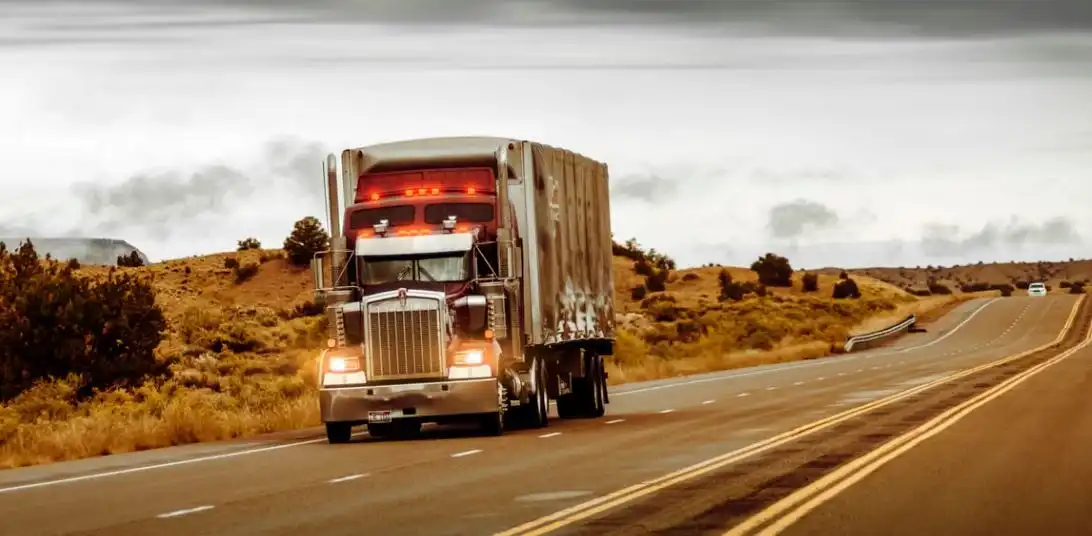
Road transportation plays a major role in moving goods from one location to another. From delivering products to retail stores to transporting raw materials between factories, trucks and other road vehicles help businesses keep their supply chains running smoothly. It is one of the most widely used transportation methods because it connects manufacturers, warehouses, distribution centers, and customers through road networks.
For businesses of different sizes, road transport offers flexibility in delivery planning, shipment sizes, and destination choices. It can also support local deliveries, long-distance freight movement, and connections with other transportation methods, such as rail, air, and ocean freight.
Understanding road transportation in logistics helps businesses make better decisions about shipping methods, delivery schedules, transportation costs, and supply chain management. In this guide, we will explain what road transportation means, how it works, its main types, key benefits, common challenges, and how companies can choose suitable road freight services.
Road transportation in logistics refers to the movement of goods, raw materials, and commercial products using road vehicles such as trucks, vans, trailers, and other freight-carrying vehicles. It forms an important part of the supply chain by connecting suppliers, manufacturers, warehouses, distributors, retailers, and end customers.
Unlike transportation methods that depend on airports, seaports, or railway terminals, road freight can often deliver goods directly to a business location or customer's address. This makes it useful for both short-distance and long-distance shipments.
For example, a manufacturer may use trucks to move finished products from a production facility to a warehouse. From there, smaller delivery vehicles may transport individual orders to retailers or customers.
Businesses can use professional
to coordinate shipments, plan deliveries, and manage the movement of goods between different locations.
In simple terms, road transportation helps ensure that products reach the right place at the right time while supporting the wider logistics network.
Road transportation follows a series of steps that help goods move safely and efficiently from the point of origin to their destination. Although the process can vary depending on the shipment and logistics provider, most road freight operations include the following stages.
The process begins with identifying the type of goods, shipment quantity, pickup location, delivery destination, and expected delivery date. Businesses also consider vehicle requirements and any special handling instructions.
The appropriate vehicle is selected according to the shipment's weight, dimensions, and nature. For example, a full truck may be suitable for large shipments, while a smaller vehicle may be more practical for local deliveries.
Goods are packed, labeled, and loaded into the vehicle. Depending on the shipment and applicable regulations, documents such as invoices, delivery notes, permits, or transport documents may be required.
The driver follows the planned route to the delivery destination. Logistics teams may use GPS tracking and transportation management systems to monitor vehicle movements and communicate delivery updates.
Once the shipment reaches its destination, the goods are unloaded and checked. Delivery confirmation helps businesses maintain accurate shipment records and resolve any discrepancies.
Using organized
can help businesses coordinate these activities and maintain better visibility throughout the transportation process.
Road transportation includes several vehicle and service options. The right choice depends on the quantity of goods, delivery distance, cargo characteristics, and transportation budget.
Full truckload shipping is used when a shipment occupies most or all of a truck's available capacity. The vehicle is generally dedicated to one customer's shipment.
FTL is often suitable for large quantities of goods, industrial materials, bulk products, and shipments that need to travel directly to their destination.
Main benefits:
Suitable for large shipments.
Fewer handling points in many transport arrangements.
Direct routing can reduce transit time.
Useful for regular, high-volume freight movements.
Less-than-truckload shipping is designed for shipments that do not require an entire truck. Multiple customers' shipments share the available vehicle capacity, and transportation costs are allocated according to factors such as shipment size, weight, and service requirements.
LTL can be a practical option for small and medium-sized businesses that need to move goods without paying for an entire truck.
Main benefits:
Makes smaller shipments more economical.
Allows businesses to share transportation capacity.
Reduces the need to wait until enough goods accumulate for a full truck.
Supports regular shipments of moderate quantities.
LTL shipments may take longer than direct FTL shipments because they can involve additional stops, terminals, and handling.
Container trucking involves transporting freight containers by road, often between ports, rail terminals, warehouses, and distribution centers.
It is especially important for international supply chains because it connects sea or rail transportation with inland delivery locations.
Refrigerated trucking uses temperature-controlled vehicles to transport products that require specific environmental conditions. Common examples include fresh food, frozen products, certain medicines, and other temperature-sensitive goods.
Maintaining appropriate temperatures throughout transit is essential to protecting product quality and meeting applicable safety requirements.
Some goods cannot be transported using standard trucks because of their size, weight, shape, or handling requirements. Heavy machinery, construction equipment, and oversized industrial components may require specialized trailers, permits, route assessments, or escort arrangements.
Businesses should select a transport provider with the appropriate equipment and experience for these shipments.
Road transportation remains an important freight option because it offers several practical advantages for businesses.
Road vehicles can serve a wide range of destinations, including factories, warehouses, retail outlets, construction sites, and residential delivery locations. This flexibility makes road freight suitable for many types of supply chains.
Road freight can often move goods directly from a pickup location to the final delivery address. This may reduce the need for additional transfers between transportation modes.
From small commercial consignments to full truckloads, road transport offers options for different cargo volumes. Businesses can choose services according to their shipment requirements.
Trucks help move goods within cities, between neighboring regions, and across long distances. They also connect inland locations to ports, airports, and rail terminals.
Road transportation works closely with warehousing and distribution operations. Trucks can collect goods from storage facilities, deliver inventory to distribution centers, and replenish retail stock.
Depending on road conditions, regulations, carrier capacity, and service availability, businesses may be able to arrange pickups and deliveries around their operating schedules.
Although these benefits make road transport attractive, the actual cost and performance depend on distance, traffic, fuel prices, vehicle availability, and the nature of the cargo.
Despite its flexibility, road freight comes with challenges that logistics teams need to manage carefully.
Traffic congestion, road construction, accidents, and severe weather can affect transit times. Businesses can reduce uncertainty by planning realistic schedules and allowing sufficient delivery buffers.
Fuel, driver wages, vehicle maintenance, tolls, insurance, and regulatory compliance all contribute to transportation expenses. Changes in these costs can affect freight rates.
During busy periods, finding the right vehicle at the required time can be difficult. Advance planning and accurate shipment forecasts can help businesses secure suitable capacity.
Loading, unloading, and transfers can create risks of product damage. Appropriate packaging, load securing, and careful handling procedures help reduce these risks.
Road freight produces emissions, particularly when vehicles run on conventional fuels. Businesses can explore route optimization, improved vehicle utilization, fuel-efficient fleets, and alternative-fuel options where practical.
Road transportation is subject to rules concerning vehicle safety, driver working hours, weight limits, permits, and cargo documentation. Requirements vary by country and jurisdiction, so businesses must ensure their shipments comply with the applicable regulations.
Road freight is often used alongside rail, air, and ocean transportation. Each mode has different strengths, and the best option depends on the shipment's priorities.
|
Transportation mode |
Main advantage |
Common limitation |
|
Road |
Flexible routes and direct delivery |
Traffic and road conditions |
|
Rail |
Efficient for many large-volume inland shipments |
Requires access to rail terminals |
|
Air |
Fast for many long-distance shipments |
Usually more expensive |
|
Ocean |
Suitable for large international cargo volumes |
Longer transit times |
Road transportation is particularly useful for first-mile and last-mile deliveries, as well as regional distribution. Rail and ocean freight can be more suitable for certain bulk or international movements, while air freight is often chosen when speed is a priority.
Many supply chains combine multiple transportation modes to balance cost, speed, and reliability.
Improving road freight efficiency requires more than choosing a carrier with competitive rates. Businesses should review their transportation planning, shipment data, and delivery processes regularly.
Here are some practical ways to improve performance:
Optimize delivery routes: Plan routes based on distance, traffic patterns, delivery windows, and road restrictions.
Use vehicle capacity effectively: Match vehicle sizes to shipment volumes and consolidate compatible consignments where appropriate.
Plan shipments in advance: Early booking can improve vehicle availability and help avoid last-minute arrangements.
Monitor shipment progress: GPS tracking and timely communication can help identify delays before they affect customers.
Maintain accurate documentation: Correct shipment details reduce administrative delays and delivery errors.
Review carrier performance: Monitor delivery reliability, cargo handling, communication, and total transportation costs.
Coordinate with warehouses: Align pickup schedules with loading readiness and warehouse operating hours.
Measure key performance indicators: Track on-time delivery rates, transit times, cost per shipment, and damage rates.
Working with an experienced logistics provider can also help businesses coordinate transportation requirements and identify opportunities to improve their supply chain operations.
For companies reviewing their transportation options,
provides a starting point for exploring logistics services that support freight movement and supply chain coordination.
Selecting a road freight provider involves balancing cost, service quality, cargo requirements, and delivery expectations.
Before making a decision, consider the following factors:
Shipment size and weight: Confirm that the provider has suitable vehicles and equipment for your cargo.
Delivery requirements: Consider the distance, required delivery date, pickup schedule, and any time-sensitive arrangements.
Cargo handling: Check whether the shipment requires temperature control, special loading equipment, secure handling, or additional precautions.
Pricing transparency: Understand what the quoted rate includes, such as fuel surcharges, tolls, loading, unloading, and other applicable fees.
Tracking and communication: Look for clear shipment updates and a reliable process for handling delays or unexpected issues.
Safety and compliance: Confirm that the provider follows relevant transport regulations and maintains appropriate operating procedures.
Scalability: Consider whether the service can accommodate seasonal changes, additional locations, or increased shipment volumes as your business grows.
Comparing these factors helps businesses choose a road freight solution that meets their operational needs instead of focusing on price alone.
Road transportation is a key part of modern logistics because it connects businesses, warehouses, suppliers, and customers through flexible freight services. It supports a wide range of shipments, from small consignments to full truckloads, and can work alongside rail, air, and ocean freight to create an effective supply chain.
Understanding the different types of road transport, their benefits, and their limitations helps businesses make informed shipping decisions. By focusing on route planning, vehicle selection, shipment visibility, and reliable delivery coordination, companies can improve freight efficiency and manage transportation costs more effectively.
Whether a business needs regional deliveries, long-distance freight movement, or connections between warehouses and distribution hubs, choosing the right road transportation solution can make a meaningful difference to daily operations.
Read Our More Blogs:
How to Choose the Best Ocean Freight Services for Your Business
What are Refrigerated Transport Services and How Do They Work?
Warehousing vs. Logistics: Key Differences Every Business Should Know
How Does Refrigerated Transportation Work?
Food Transportation: Best Practices for Refrigerated Shipping
Road transportation in logistics is the movement of goods using road vehicles such as trucks, vans, and trailers. It connects suppliers, manufacturers, warehouses, retailers, and customers as part of the supply chain.
It provides flexible delivery options, supports door-to-door transportation, connects warehouses with customers, and helps businesses move goods across local, regional, and long-distance routes.
Common types include full truckload (FTL), less-than-truckload (LTL), container trucking, refrigerated trucking, and specialized or heavy-haul transportation.
FTL generally uses a truck dedicated to one customer's shipment, whereas LTL combines shipments from multiple customers in one vehicle. FTL can suit large consignments, while LTL is often useful for smaller shipments.
Freight costs can depend on distance, shipment weight and dimensions, vehicle type, fuel prices, tolls, delivery urgency, cargo handling requirements, and additional service charges.
Yes. Road transport can support international freight movement between countries with suitable road connections and border procedures. It is also commonly used to move cargo between ports, airports, rail terminals, and inland destinations.
Businesses can improve scheduling, optimize routes, monitor traffic conditions, maintain clear documentation, plan pickups in advance, and coordinate closely with carriers and warehouses.
Road freight logistics coordinates vehicle selection, shipment planning, pickup, transportation, tracking, and delivery. These activities help businesses manage inventory movement and maintain connections between different supply chain locations.
Share:

‘0’ Comments
Leave A Comments