Nov 12, 2026

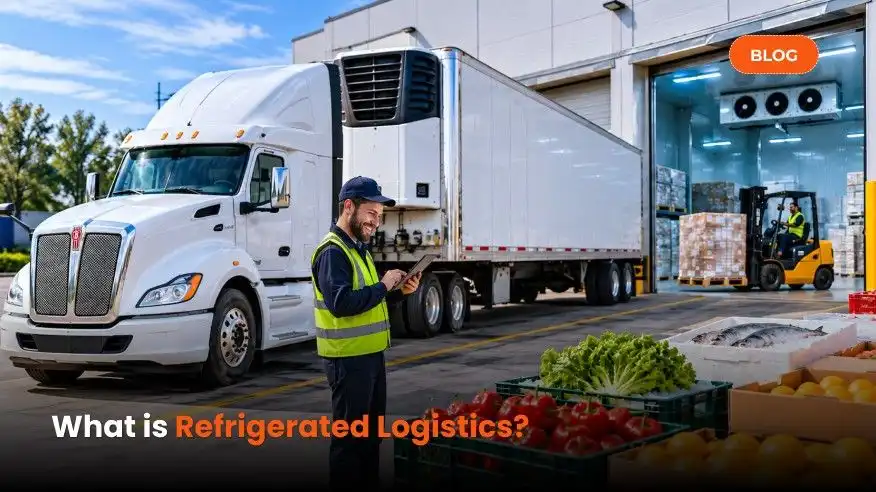
Moving products from one location to another requires careful planning, especially when those products are sensitive to temperature changes. Food, beverages, pharmaceuticals, dairy products, fresh produce, and other perishable goods need specific storage and transportation conditions to maintain their quality during transit.
This is where refrigerated logistics becomes important.
Refrigerated logistics refers to the planning, storage, handling, and transportation of temperature-sensitive products under controlled environmental conditions. It helps businesses move perishable goods while maintaining the temperature requirements established for each product.
Unlike standard freight transportation, refrigerated shipping involves specialized equipment, temperature monitoring, and coordination throughout the supply chain. Even a small temperature variation can affect product quality, shelf life, and usability.
Understanding how refrigerated logistics works can help businesses make better transportation decisions, reduce avoidable product losses, and maintain more consistent delivery operations.
Refrigerated logistics is a specialized part of supply chain management that focuses on transporting and storing goods that require controlled temperatures.
It involves maintaining suitable environmental conditions from the point of origin to the final destination. This process may include refrigerated warehouses, temperature-controlled trucks, refrigerated containers, monitoring systems, and proper loading and unloading procedures.
The main purpose is to protect products from unsuitable temperature exposure during transportation and storage.
For example, a food manufacturer shipping frozen products to a retail distribution center needs transportation equipment capable of maintaining the required frozen conditions. Similarly, a pharmaceutical company transporting certain medicines may need a carefully monitored temperature-controlled shipping arrangement.
Refrigerated logistics is also closely connected to cold chain logistics. While refrigerated logistics often focuses on refrigerated transportation and storage, cold chain management considers the entire temperature-sensitive supply chain, including handling, packaging, storage, transportation, and delivery.
Refrigerated logistics involves several connected activities. Each stage must be properly managed to maintain the required product conditions.
Here is how the process generally works:
The first step is understanding the temperature requirements of the goods being transported.
Different products have different storage and transportation needs. Fresh vegetables, frozen foods, dairy products, seafood, and pharmaceutical products cannot all be handled under the same temperature conditions.
Before transportation begins, logistics teams need to understand the product specifications, required temperature range, shipment quantity, packaging requirements, and expected transit time.
Proper preparation helps protect goods during transit.
Products should be packed using suitable packaging materials and prepared according to their handling requirements. For example, certain products may need insulated packaging, protective containers, or additional temperature-control measures.
The condition of the goods before loading also matters. Refrigerated transportation equipment is generally intended to maintain the required temperature, rather than rapidly cool products that have not been properly prepared.
Once the product requirements are understood, the next step is selecting the appropriate transportation equipment.
Depending on the shipment, businesses may use:
Refrigerated trucks for domestic transportation.
Reefer trailers for temperature-sensitive road freight.
Refrigerated containers for international ocean shipping.
Temperature-controlled storage facilities for temporary warehousing.
Choosing the correct equipment helps maintain suitable conditions throughout the journey.
Loading is another important stage in refrigerated transportation.
Products must be arranged properly to allow suitable airflow inside the refrigerated unit. Poor loading practices can restrict air circulation and create temperature differences within the shipment.
The loading process should also minimize unnecessary exposure to external temperatures. Doors should remain open only as long as operationally necessary.
Temperature monitoring helps logistics teams understand whether the shipment is being maintained within its required conditions.
Depending on the equipment and service arrangement, monitoring may involve digital temperature sensors, data loggers, or remote monitoring systems.
If a temperature variation occurs, timely identification can help the responsible teams investigate the issue and take appropriate action.
The final stage involves delivering the shipment and unloading the products under suitable handling conditions.
Proper coordination between the carrier, receiving facility, and warehouse team helps reduce unnecessary delays and exposure.
Temperature records and shipment documentation may also be reviewed when required to confirm that transportation procedures were followed.
Temperature-sensitive products can lose their quality when exposed to unsuitable environmental conditions. Refrigerated logistics helps businesses manage these risks throughout the transportation process.
Some of its major benefits include:
Many perishable products have limited shelf lives. Exposure to unsuitable temperatures can affect their freshness, texture, appearance, and overall quality.
Temperature-controlled transportation helps maintain the required conditions and supports better product quality during distribution.
Food transportation requires more than keeping products cold. Clean transportation equipment, suitable packaging, proper loading, and appropriate temperature management are also important.
The US Food and Drug Administration (FDA) provides sanitary transportation requirements and guidance addressing temperature control, vehicle cleanliness, and safe food handling.
FDA+1
Temperature fluctuations, equipment problems, and transportation delays can contribute to product spoilage.
A properly managed refrigerated supply chain helps reduce avoidable losses by maintaining suitable conditions and identifying potential issues during transit.
Businesses can transport perishable goods over longer distances when appropriate refrigerated transportation and storage arrangements are available.
This allows food producers, distributors, retailers, and other businesses to serve customers across different regions.
Refrigerated logistics requires coordination between manufacturers, warehouses, carriers, distributors, and receiving facilities.
Clear communication about temperature requirements, delivery schedules, handling procedures, and shipment documentation helps make transportation operations more organized.
Several industries depend on temperature-controlled transportation to move products safely and maintain their quality.
The most common examples include:
Fresh fruits, vegetables, meat, poultry, seafood, dairy products, and frozen foods are among the most common goods transported through refrigerated logistics.
Each product has different handling and temperature requirements. For example, frozen products need different conditions from fresh fruits and vegetables.
Certain medicines, vaccines, biological materials, and pharmaceutical ingredients require controlled temperature conditions during storage and transportation.
These shipments may involve specific packaging, monitoring, documentation, and handling procedures based on manufacturer instructions and applicable regulations.
Some beverages, including dairy-based drinks, fresh juices, and other temperature-sensitive products, may require refrigerated transportation to maintain their intended quality.
Fresh flowers and certain plants can be sensitive to temperature, humidity, and handling conditions.
Temperature-controlled transportation can help preserve their appearance and quality during distribution.
Certain chemicals and industrial materials require temperature-controlled storage or transportation because their properties can change under unsuitable environmental conditions.
The exact transportation arrangements depend on the material's characteristics and applicable safety requirements.
Different shipments require different transportation equipment. Selecting the right option depends on the product, shipment volume, distance, route, and temperature specifications.
1. Refrigerated Trucks
Refrigerated trucks are commonly used for domestic transportation of perishable goods. They contain refrigeration units designed to maintain the required temperature inside the cargo area.
They are suitable for transporting fresh produce, dairy products, frozen foods, and other temperature-sensitive shipments.
2. Reefer Trailers
Reefer Freight Services | Mile Truck LLC
Reefer trailers are temperature-controlled trailers equipped with refrigeration systems. They are commonly used for full truckload shipments and long-distance road transportation.
Their temperature settings can be adjusted according to the requirements of the cargo.
3. Refrigerated Shipping Containers
Cadena de frío: el eje crítico para la competitividad del salmón chileno
Refrigerated shipping containers, commonly known as reefer containers, are used for transporting temperature-sensitive goods through ocean freight and intermodal transportation.
They are particularly useful for international shipments involving long transit distances and multiple transportation stages.
4. Refrigerated Warehouses
Nebula Spaces | Cold & Frozen Storage for Wholesalers & Distributors
Refrigerated warehouses provide controlled storage environments for products before distribution or after transportation.
They help businesses manage inventory while maintaining product-specific storage conditions.
Refrigerated logistics and cold chain logistics are closely related terms, but they do not always mean exactly the same thing.
Refrigerated logistics mainly focuses on temperature-controlled storage and transportation. Cold chain logistics covers the wider process of maintaining suitable conditions throughout the product's journey.
|
Refrigerated Logistics |
Cold Chain Logistics |
|
Focuses on refrigerated transportation and storage |
Covers the complete temperature-sensitive supply chain |
|
Uses refrigerated trucks and containers |
Includes transportation, packaging, storage, and handling |
|
Focuses on maintaining cargo temperature |
Focuses on maintaining suitable conditions at every stage |
|
Commonly associated with reefer freight |
Covers a wider range of temperature-controlled operations |
For example, transporting frozen food in a refrigerated truck is part of refrigerated logistics. Managing that food from production and packaging through warehouse storage, transportation, distribution, and final delivery is part of the broader cold chain.
Both play an important role in protecting temperature-sensitive products.
Although refrigerated transportation provides important advantages, businesses may face several operational challenges.
Understanding these challenges can help shippers plan their transportation requirements more effectively.
Changes in temperature can affect product quality and, depending on the goods, product safety.
Equipment performance, loading procedures, door openings, and external weather conditions can all influence temperature management.
Refrigeration systems require regular inspection and maintenance. A mechanical problem during transportation may affect the conditions inside the cargo area.
Checking refrigeration equipment before dispatch can help identify potential problems.
Traffic congestion, weather conditions, route disruptions, and unexpected operational issues can delay deliveries.
Longer transit times can increase the complexity of maintaining temperature-sensitive shipments.
Refrigerated shipments may involve additional expenses compared with standard freight.
These can include specialized equipment, refrigeration operation, monitoring systems, refrigerated storage, and additional handling requirements.
Poor loading arrangements can restrict airflow inside refrigerated equipment. Extended unloading times can also expose products to unsuitable conditions.
Proper coordination and handling procedures help minimize these risks.
Businesses can improve refrigerated transportation operations by following practical shipment management procedures.
Some important practices include:
Understand product specifications: Confirm the required temperature range and handling instructions before arranging transportation.
Select suitable equipment: Choose refrigerated trucks, trailers, or containers according to the shipment requirements.
Check equipment condition: Inspect refrigeration units and cargo areas before loading.
Pre-cool when required: Prepare refrigerated compartments according to the shipper's temperature specifications.
Use appropriate packaging: Select packaging that supports the product's transportation and storage requirements.
Monitor temperature conditions: Use suitable monitoring methods throughout the journey.
Coordinate delivery schedules: Keep shippers, carriers, and receivers informed about shipment progress.
Maintain shipment records: Keep relevant temperature information and transportation documentation where required.
The FDA's sanitary transportation guidance also highlights the importance of appropriate temperature control, sanitation, packaging, and communication between transportation parties.
FDA+1
Choosing a suitable logistics provider is an important decision for businesses that regularly transport perishable or temperature-sensitive goods.
Before selecting a transportation partner, consider the following factors:
Look for a provider that understands the handling and transportation requirements of your particular products.
Experience with refrigerated food shipments may differ from the requirements involved in pharmaceutical or specialized industrial transportation.
Check whether the provider can arrange the required refrigerated trucks, trailers, containers, or other equipment for your shipment.
Ask about available temperature monitoring methods, reporting procedures, and how temperature deviations are handled.
Reliable communication helps businesses stay informed about pickup schedules, transit progress, unexpected delays, and delivery arrangements.
Your transportation needs may change depending on shipment volume, delivery location, and business requirements.
A logistics provider should be able to help evaluate suitable freight arrangements based on the shipment details.
Businesses transporting perishable and temperature-sensitive goods need transportation arrangements that consider product requirements, shipment schedules, equipment selection, and delivery coordination.
Empath Logistics provides logistics and transportation solutions for businesses with different freight requirements.
Companies looking for temperature-controlled shipping can explore its Refrigerated Freight Services to learn more about refrigerated freight transportation options.
When arranging a refrigerated shipment, businesses should communicate important details such as:
Type of product being transported.
Required temperature range.
Shipment weight and dimensions.
Pickup and delivery locations.
Expected delivery schedule.
Special handling or packaging requirements.
Sharing these details helps the logistics team understand the shipment and evaluate an appropriate transportation arrangement.
For businesses looking for dependable Refrigerated Transport Services, selecting the right freight solution is an important step toward maintaining better control over temperature-sensitive shipments.
Refrigerated logistics plays an important role in modern supply chains by helping businesses transport and store products that require controlled temperatures. From fresh food and frozen goods to pharmaceuticals and other sensitive materials, proper temperature management supports product quality throughout the transportation process.
Successful refrigerated transportation depends on several factors, including suitable equipment, proper loading, temperature monitoring, clean transportation conditions, and effective coordination between all parties involved.
As businesses expand their distribution networks and transport more temperature-sensitive products, choosing appropriate refrigerated freight solutions becomes increasingly important.
Empath Logistics helps businesses explore transportation solutions for their freight requirements. If your business needs temperature-controlled shipping, explore its Refrigerated Freight Services to learn more about available options.
Helpful Resources for Refrigerated Transportation:
What are Refrigerated Transport Services and How Do They Work?
How Does Refrigerated Transportation Work?
Food Transportation: Best Practices for Refrigerated Shipping
Common Challenges in Refrigerated Freight Transportation
Reefer Container vs. Refrigerated Truck: What's the Difference?
Refrigerated logistics is the process of storing and transporting temperature-sensitive products under controlled conditions. It uses refrigerated trucks, containers, and warehouses to help maintain product quality during transportation and storage.
The main purpose is to maintain suitable temperature conditions for perishable goods throughout transportation and storage. It helps reduce spoilage, protect product quality, and support safe distribution.
Products that may require refrigerated transportation include fresh fruits, vegetables, dairy products, meat, seafood, frozen foods, certain medicines, vaccines, and other temperature-sensitive materials.
A reefer truck is a type of refrigerated transportation vehicle equipped with a refrigeration unit. Both terms generally refer to trucks designed to maintain controlled temperatures for sensitive cargo.
Temperature monitoring involves using sensors, digital systems, or data loggers to record conditions inside refrigerated equipment. Depending on the system, shipment temperatures can be monitored remotely or reviewed after delivery.
Cold chain management helps maintain suitable conditions throughout the supply chain, from product preparation and storage to transportation and final delivery. It is particularly important for food, pharmaceuticals, and other perishable products.
Refrigerated transportation can cost more than standard freight because it may require specialized vehicles, refrigeration equipment, monitoring, and additional handling. Actual costs depend on shipment size, distance, product requirements, and delivery schedules.
Consider the type of product, required temperature range, shipment volume, transportation distance, monitoring capabilities, and delivery schedule. Discussing these details with a logistics provider can help identify an appropriate transportation solution.
Temperature fluctuations can affect product freshness, quality, shelf life, and safety, depending on the product and the duration of exposure. The shipment should be assessed according to its product specifications and applicable handling procedures.
Yes. Refrigerated containers, also called reefer containers, are commonly used to transport temperature-sensitive goods through international ocean freight. They help maintain specified conditions during the shipping journey.
Share:


Nov 11, 2026
Nov 03, 2026
 Road Freight
Reefer Freight
Ocean Freight
Logistics Insight
Less Than Truckload
Full Truck Load
Cargo
Drayage
Power only Trucking
Flatbed Trucking
Intermodal
Cross Border
3PL
Supply Chain
Warehousing vs. Logistics
Full Container Load
Refrigerated Transport Services
Temperature-Controlled Shipping
Warehouse












‘0’ Comments
Leave A Comments